




Watch the episode
Listen to the episode
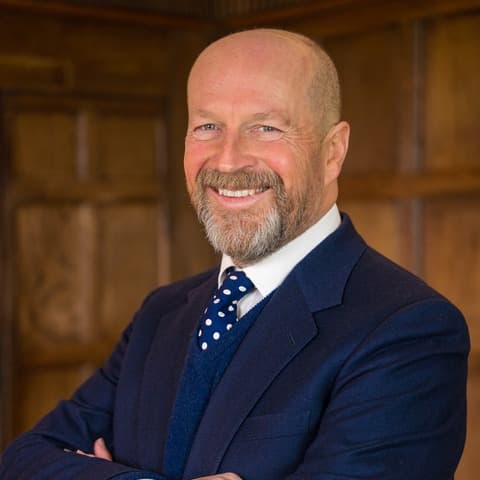
In this episode of all about business, James sits down with Ros Morgan, Chief Executive of the Heart of London Business Alliance, the organisation representing over 500 businesses across London's West End.
Ros explains why, early in her career, she believed professionalism meant suppressing her personality entirely, dressing to fit in with an all-male board and refusing to discuss anything personal at work, and the moment she decided to deliberately drop that act. She breaks down why being more open with her team, rather than less, ended up making her more credible as a leader, not less.
The conversation also unpacks a second lesson from Ros' own career: her habit of saying yes to opportunities before she felt fully ready for them, including taking on her first CEO role in her early twenties with no real knowledge of the industry she was stepping into. She explains why she believes the businesses that succeed are the ones that get out and learn from their peers rather than trying to solve every problem alone.
Timestamps (Video)
02:58 what is a bid
11:07 scenes in the square
19:10 London safety perception
31:10 how London stays ahead
37:38 real rates reform plan
47:03 Japan resilience lessons
58:46 hiring for culture fit
Timestamps (Audio)
01:41 what is a bid
09:50 scenes in the square
17:53 London safety perception
29:53 how London stays ahead
36:21 real rates reform plan
45:46 Japan resilience lessons
57:29 hiring for culture fit
Follow James Reed on LinkedIn: https://www.linkedin.com/in/chairmanjames/
Follow Ros Morgan on LinkedIn: https://www.linkedin.com/in/ros-morgan-318a44120/
Find out more about Heart of London Business Alliance and their work here: https://holba.london/
Find out more about Real Rates Reform Alliance and their work here: https://realratesreform.co.uk/
Submit your application to Reed’s Entrepreneurs Fund for a chance to win a £20,000 grant: https://www.reed.com/entrepreneurs
[00:01:27] Well, today on All About Business, I'm delighted, really delighted to welcome Ros Morgan to the studio. Ros is the CEO of The Heart of London Business Alliance. Um, London, obviously the greatest city in the world, but Ros is gonna tell us why and what its challenges are. Um, thank you for coming in. You represent, as I understand it, Ros, over 500 businesses in the West End, uh, across Piccadilly, St.
[00:01:50] James's, Leicester Square, St Martin's Lane, all these iconic locations across a whole range of business provision, from theaters to restaurants [00:02:00] to shops and hotels. Yeah. I'm really looking forward to, um, you know, exploring that. Um, and then you also lead a campaign to reform business rates- I do ... across the UK, which is long overdue, I would say.
[00:02:12] So I'm looking forward to hearing about that. So Ros, running The Heart of London, um, for someone unfamiliar with The Heart of London Business Alliance, of which you're the CEO, what does the organization do, and which businesses do you represent? So, um, the industry that the company belongs to is called BIDs, business improvement districts, which kind of, it does what it says on the tin.
[00:02:36] You've got a district with a group of businesses who want to improve it. That's the best way to actually describe it, but ultimately- Bids, business improvement districts ... business improvement district. So it started off with a, a handful, um, some 25 years ago. Um, I helped to set up the 15th BID in the country, which was Croydon at the time.
[00:02:58] Oh, so you're part of a group? [00:03:00] Which, this is a whole industry- Oh, so BIDs is- ... uh, that you maybe didn't even know about ... no, no, I didn't. I'm really looking forward to finding out. Um, it's a, it's- So BIDs is a big organization. It's a big industry. So London is just one of those. Well, you've got, within Westminster, you've got 20 plus.
[00:03:13] Within London, you've got, um, I think now the figures are around 60. Across the country, you've got about 400, and then you've got them right across the world. So- So what's your particular one? So my particular area is the heart of what we call the heart of London, 'cause, because it is the heart of London- Right
[00:03:30] which covers Leicester Square, St. Martin's Lane, Piccadilly Circus, Piccadilly. Yeah, the Lord Mayor down the road in the City- ... well, is gonna, gonna contest this, but- So, and then- So, so far I'm with you. Yeah, go on ... yeah, you're with it. Yeah. Right up to Green Park- Yeah ... so we cover all the good bits- ... of Central London is how I would describe it.
[00:03:46] So not only are you promoting London, but a particular part of it. A par- particular part. But we've got- So are we in your BID here? Unfortunately, you're not. Unfortunately for you, you're not. We're in the City, are we? You may be in the Holborn BID. Right. [00:04:00] But I, I wouldn't know until I looked at the map. Yeah.
[00:04:02] But you've got... So they're, they are- So Covent Garden, is that in your- So Covent Garden, we abut Covent Garden- Right ... because Shaftesbury Capital own Covent Garden, and they- Right ... they manage it like it is a business improvement district. Um, the difference between an estate like Shaftesbury Capital and a BID, the BID doesn't own anything.
[00:04:23] It doesn't own any of the streets or- Right ... and instead our job is to make improvements by working with the people that make the decisions, i.e. the council or the police or Transport for London, et cetera, um, and building those relationships and trying to make the improvements that the businesses want to see happen.
[00:04:42] But it's- Okay ... it's effective- So your BID is a, basically what you would call the West End of London. It's the West End of London. Oh. So ourselves and a company called New West End Company make up the West End, so we're, they cover Oxford Street, uh, Regent Street, and Bond Street, and then we cover the other, the other side.
[00:04:56] The more entertaining bit. The best part, absolutely. All right. [00:05:00] All right. So, so is this a business? It's a proper business. But how does it work? I mean, who pays you? And how- It's a not-for-profit company. It's a not-for-profit company. Okay. Yeah. And there are BID legi- there's BID legislation and all- Right ... the real stuff.
[00:05:13] Um- I never knew any of this. I know. I know. It's a new world. I'm very educated. I've lived in London for donkey's years, and didn't know this. Uh. Um, but basically it originated in Canada and then traveled acro- across to America. So, like, Times Square is a BID. Right So that's maybe, you probably wouldn't think that.
[00:05:28] Um, and then 25-plus years ago, um People in London, business leaders, actually Westminster City Council, um, the mayor's office and government thought, "Oh, this looks like an interesting idea, concept. Perhaps we could, um, bring it across the water and bring it to, to London." And so they explored it, and they adapted it to suit the needs of the UK and UK regulations.
[00:05:57] And so basically it's for all [00:06:00] non-domestic b- um, uh, business-rated businesses effectively. So anybody that pays a business rate within the area that I cover, they become members of this Heart of London. Oh, automatically? No. So, um, we run a ballot- It's not included in the rate? It's not included. No. It's completely separate, so I do not work for the council.
[00:06:21] Um, I have- Right ... no issue with the council, but I don't work for them. Um- So where does your revenue come from? So it comes from the businesses themselves. So they pay to be a member? So they p- pay to be- become a member. So we, so we- Mm ... define a boundary, which in our case is Heart of London area. Um, the businesses within that area, we engage them and consult them, and we work out, you know, what's working, what's not working, what would you like to see improved that you can't deliver on your own.
[00:06:47] And so from that comes a whole set of priorities, as you can imagine, and we look at that and say, "Right, across these 500, 600 businesses, the priorities can be broken down into these five areas, and this is what we could [00:07:00] do to improve or, or, um- All right ... make tick off their achieving." So, so what's on your agenda right now for your area?
[00:07:05] Oh, so we cover ... Our priorities are we manage the area. So, so you made, you made the distinction between, uh, business rates and what they pay into the bid. So you've got, they pay their business rates. That goes into the treasury- Mm ... um, and then it's redistributed across the country. Westminster, for example, they only retain 4% of the business rates they collect, right?
[00:07:28] And so local authorities now are under even more pressures because their, their grants, their funding's being cut. What the businesses in the area do is they decide what standards they're willing to accept, and our businesses feel like they want higher standards. Now, whether that be in terms of the management, day-to-day management, the day-to-day running of the area, events, celebrations- Higher standards in the area
[00:07:52] in the area. So that could be cleaning, security, general management, enforcement. Um, it could [00:08:00] be, um ... And, and, and then it's the kind of- Do they, do they employ sort of neighborhood watch people to keep the- So we do. Yeah. We, we've got, um, my local bobbies they're called. Mm. They're a 24/7 sec- private security team dedicated to our area.
[00:08:13] Right. It's not to replace the police. We actually, um, work with the police, work with the council, but they are there 24/7, and they deal with everything, and they provide that reassurance and that presence, not, not just to- Do they wear uniforms? They wear a uniform So how do you know they're not police or similar?
[00:08:31] So they have a big badge that says Heart of London Business Alliance. Oh, okay. Um, they, they, they do look official- Yeah ... because they're, that's part and parcel of the role. Um, um, but there's, but they're- they don't look like the police. Now- Right ... they work hand-in-hand with the police. But in terms of how, just going back to your point about how we're funded, we have to run a ballot every five years.
[00:08:55] So we need to go out to the business community and say, "You know, here were [00:09:00] your priorities. This is what we said we'd do. We collected money on the basis of that from you. You had to pay it every year for five years. Now, here we are another five years later. Do you wanna do it all again?" So it's a, it's a proper ballot process.
[00:09:15] But unlike politicians or parties, we're not up against anybody else. It's either do you want this company to continue or not? So that's how we're funded. So we charge a levy on the rateable value of those businesses. So all that money has to be ring-fenced, and it has to be spent within that bid boundary.
[00:09:35] It can't go anywhere else. It has to be spent there, and that's the biggest difference between ourselves and business rates, because business rates just disappears into the ether somewhere- Mm ... and you get a bit of it back. The jobs that we do, it's anything from day-to-day management, policing, uh, security, clean- We'll, we'll do power washing, we'll do deep cleans, uh, graffiti removal, all that kind of stuff, um, that probably [00:10:00] people think the council do, because traditionally they did.
[00:10:04] Um, they don't do it anymore because, you know, they've had more and more cuts. I call that the guts and the gore of what we do, but then we also have the glitz and the glam. So- The guts and the gore- Yeah ... and the glitz and the glam. Yeah. So we have, we, we're the ones- Mm ... that deliver Christmas lights. We bring in all the big events and festivals and celebrations.
[00:10:21] So what's coming soon then? Oh, probably another statue. So we launched a really incredible, um, uh, campaign, and it was statues in Leicester Square. We call it Scenes in the Square. Mm. So we were l- we were looking for something like, we used to have this- I have to say, Leicester Square's transformed. Oh, it has.
[00:10:39] Is that you? That's us, yeah, yeah, yeah. That's fantastic. So- No, 'cause it was always horrible. It was horrible. And, and now I have to say it's really nice. When I- For anyone who hasn't been there recently, it's really good ... before I started Oh, before you started. Before I started, um, genuinely- Yeah ... I remember being a visitor, and it was probably, you know, for hen parties and stag dos, whereas now it transforms during [00:11:00] the course of 24 hours, but you've now got a family-friendly version of that, you know?
[00:11:03] Is that a fountain in the middle? So you've got the fountains. Mm. You've got... So we've got these, um, bronze statues, and we call them Scenes in the Square because they're- So who, who, who- ... scenes from films ... so what statues are there then? So my favorite's Gene Kelly. Right. So we've literally got him swinging off the, you know, the lamppost.
[00:11:21] And- Right ... we had to jump through major hoops, um, to, to get that approved by Patricia Kelly, who's Gene Kelly's wife Oh, really? Yeah. She flew over from America. Was she happy with it? She would not allow it to be unveiled unless it was perfect, and her description was, "We need to see the glint in his eye."
[00:11:40] And I would say it's one of our best things. So was she there for the unveiling? She was there for the unveiling. She did all the media co- She traveled over about 11 times to see what's called maquettes. So they're these little miniature versions- Yes ... before they're built- Yes, yes, yeah ... into the big things.
[00:11:55] But we've also had Bridget Jones. That has, that is so popular. We've [00:12:00] got, um, Harry Potter, we've got Wonder Woman. So what's coming next then? Uh, I can't tell you, um- Well, 'cause it's confidential? Because it's con- Or because you can't remember? No, because I've to sign con- I literally sign my life away in contracts.
[00:12:13] Mm. Um, but it's usually related to maybe an up-and-coming new big release, probably around Christmas time. So there'll be a new film star featured- Absolutely. Yeah, yeah, yeah ... soon around Christmas. Unveiled. One, one of our most popular so far has been- Yeah ... a Bollywood statue from DDLJ. Right. And that brought a brand-new- So who is that?
[00:12:31] audience. So it's, um, from a film, DDLJ is the, the title. I can't say the whole thing 'cause it's, it's- Right ... it's, I, I would, um, disgrace myself trying to pronounce it correctly. Right. I did on the day of the unveiling, but, um... And so it's the most famous actors in Bollywood. They- Right ... they did a film which included them, um, meeting each other and dancing in Leicester Square.
[00:12:55] Oh, okay. So it's all very relevant. Yeah. That has brought thousands and thousands [00:13:00] of new visitors to Leicester Square, which is fantastic. No, it's very interesting, that, 'cause, well, I live in, near Portobello Market, and you get lots of visitors going there to see the- Yeah ... sights from the film Notting Hill.
[00:13:10] Absolutely. And so it's obviously- That's what people want ... mov- movies attract people- Movie ... in large numbers, yeah And, and Hol- and Hollywood, they contacted us because, you know, you've got the Walk of Fame, and the stars, and all of that. Right. And they've contacted us to ask us for advice. Um, because when we set out to do it, you know, people were saying about the handprints, you could have the stars, and we were really keen to do something different.
[00:13:30] And- The reason why we brought it in is because we wanted to remind people that the Leicester Square is home of film and entertainment. So it was to bring that identity back and make sure that it wasn't just lost in history, and that actually it tied into all of the premieres and all of the activity in the area.
[00:13:49] And then in addition to that, beyond the glitz and the glam, we look at things like public realm development, changing streets so they work better, um, [00:14:00] tidying them up from a, a streetscape point of view, or full-blown regeneration programs. So we're working with the council on something called the Arts Quarter, which is just behind the New Londoner.
[00:14:13] Um, bes- just next to the, the National Gallery, there are these little side streets, these kind of forgotten streets, um, and we've identified those as an opportunity to, to create it as an arts quarter. You're going south of Piccadilly or...? So it's Pall Mall, suppose it's, it's, um, the end of Pall Mall up to Leicester Square, Haymarket.
[00:14:32] It's within that kind of quadrant. Oh, okay. You're gonna make that the Arts Quarter? We're gonna make it the Arts Quarter, and so the natural- So how are you gonna do that? So the natural tr- kind of journey for a visitor would be you start off in Mayfair with all the kind of commercial, um, art galleries, come through St.
[00:14:47] James's into Haymarket, then you're in this Arts Quarter, and then obviously you're en route to the National Gallery, National Portrait Gallery. So the journey makes sense. Right. What we wanna see there are, um, [00:15:00] l- almost like a, an innovation center for art and culture. Not highbrow, but to give young or just up-and-coming artists the opportunity to showcase their work.
[00:15:12] One of the ideas that we're exploring at the minute is you've got all of these creative enterprise zones all across London, and so one of the concepts is, is could we open up that space for them to showcase in Central London their work. So it's, it's still in development, but the concept's there. But you need, you need a building for this though, don't you?
[00:15:29] Yeah. So- So we've got property owners really up for- Who will give you space ... uh, th- because at the minute- Mm-hmm ... it's kind of this hidden space. It doesn't get much traffic. So they're hoping it'll bring business to their- It'll bring business, and obviously the National Gallery, they've opened a new entrance- Right
[00:15:44] um, which is hugely popular, and we're losing that footfall. There's no connection really between that new entrance in Leicester Square and The Londoner- Mm ... which is a beautiful hotel. Um, and so we're hoping that this will help to, to open those connections. Apart from that, [00:16:00] and we do a lot of that, so we've got schemes for St Martin's Lane, we've got, uh, Piccadilly C- Circus scheme, and we've also got one for Green Park Gateway, we're calling it, so it's just that entrance area.
[00:16:11] But beyond that, we also look at things like policies and legislation and things that are affecting businesses in our area. And so one of our biggest achievements, took us 10 years, mind, was the regulation of pedicabs, and we can wholeheartedly, 100% own that. We lobbied for 10 years- There's, pedicab is a, what we usually- Rickshaws
[00:16:31] call a rickshaw. Yeah, someone pedaling. Rickshaws. Yeah. Now, this isn't anti-pedicabs. This is just- What's the regulation? What's the rule? ... regulating them. So it's basically making sure that... 'Cause visitors just jump on thinking it's London, they must be safe. Mm. Right? In the same way as you jump into a black cab and you think, "Well it's, you know, it's a black cab, it must be safe."
[00:16:51] They're not. Well, in fact, it's got pink flashing lights and- Well, I, well, I know, I know ... loud music pumping through it. But people love it. I mean, they're really great. No, good fun. They're entrepreneurial because- Yeah ... you know, you go to Mamma Mia and they're blurring out [00:17:00] Mamma Mia. I mean, they're, they're, they're, they're businesspeople- Yeah, there's-
[00:17:02] in their own right ... they're, they're entertaining, but, yeah. So it's not to take that away, but it i- we have to make sure that it's safe. So the rickshaws, they're not, there's n- they're not road-tested. The drivers right now, they don't have any kind of license or- No ... checks. There's no set fees. So we've worked with Transport for London.
[00:17:22] We've regulated pedicabs so that you've got your set fee, and, like, you have to be licensed. How do you know if you're getting in a regulated one, then? So they will have to show it, and if they don't- They show you a pass or something? Yeah, it has to be a certificate. And if they don't, well then, their, their rickshaw is taken away.
[00:17:37] Uh, rogue. Okay. Rogue rickshaws. So we want to- Yeah ... encourage it, but we want safe transport. Okay. So what's on your list at the moment? I'm, uh, I wanna go back to the guts and the gore. 'Cause we've had a bit of a glimpse of the glare. Okay. So what, what's on your list for guts and gore at the moment? Oh, I think the big challenge at the minute is the reputation that London [00:18:00] seems to have find, get, you know, find itself having internationally- Yeah, what's this...
[00:18:04] Yeah, tell me, what's the problem? Um, w- so internationally we've seen some reservations for peop- for businesses to invest in London. Um, it's not based on any fact. It's based on kind of social media and that kind of build-up of, of, um, stories. Um, and actually what we're hearing doesn't necessarily translate into, to reality because London is getting safer.
[00:18:35] Um, you'll hear Sadiq say that often. Um, and so we've, we're working with the mayor's office, we're working with London Partners, so that we actually can influence that rep- that idea, that perception across the world, um, by addressing it head-on, um, by, you know, giving the evidence and the facts, but then also by celebrating what's good about London.
[00:18:56] So- The, the noises you hear are [00:19:00] people outside London saying it's not safe- It's not safe, yeah ... and it's what? Dirty? No, actually- Not dirty, crowded, dangerous? No, I think, um- It's just not safe. That's the principal problem ... it's the safety aspect. And actually, no- Well, you get, you, you get robbed or- It's the te-
[00:19:15] attacked ... it's the mobile phones. Right. It's mobile phones and watches- Yeah ... that are the big issues Well, there have been people on scooters stealing them. So you've got scooters. That's the other thing, scooters and e-bikes. And so- Yeah ... um, I know that Mark Rowley, the commissioner, he's been really cracking down on that.
[00:19:31] Um, and has- he's been engaging with the mobile phone companies to find a way of, I don't- can't remember the right term, like stunning the, stunning the, the- You can't reboot them in some way. Yeah ... yeah, so they're, they're worth less. They're not as valuable- Mm ... as they currently are. 'Cause like I, I, I'm told that each foot stone- each phone stolen, they can be resold for about £600.
[00:19:54] So it's a good business, um, but it's bad for London, and we've, you know, a [00:20:00] lot of people ki- That's a personal experience. Um, and it only needs one person to experience that, and then the whole family know, you know, that that's the talk of their experience of London. Well, they put it on social media- And then they put it on social media-
[00:20:13] and a lot more of the family know ... and then the word spreads. Now, um- So things are being done to s- clamp down on this, are they? Things are being done to clamp down. There's, there's a lot coming from the Met. God, I wouldn't wave my phone around walking around in London. You do or you don't? I wouldn't. No.
[00:20:24] No. See, I don't know whether it's because I'm from Belfast. Yeah. I'm quite feisty, so I do walk around with my phone. Um- Well, it's not that I'm not feisty. It's just if someone on a scooter grabs it, I wouldn't be able to catch him. Well, true. I suppose. That's the problem. Uh, I've never experienced it, touch wood.
[00:20:41] And ni- touch wood. Yeah. Uh, and neither has anybody in my office, but maybe subconsciously we do protect our phones. I don't know. Yeah. Maybe visitors are a bit more relaxed about what, you know, what they're doing and, and showing it. But you can sort of tell who a visitor is. That's the problem. You probably can.
[00:20:55] You know- Yeah ... if you're out there and that's your job- Yeah ... you probably are able to [00:21:00] really hone in. You, 'cause you know who's sort of, yeah. But what we've done is that level has completely dropped off the planet in, in the heart of London area, and I have to say that was- Of phone theft ... yeah, that's because of the, my local bobbies that we've brought in.
[00:21:13] And I, I also think that, um, the concept of bobbies on the beat- Yes ... it's gone, hasn't it? You don't really see a bobby on the beat anymore. Now, in reality, it's probably not the most effective way for police to police the streets, um, because now a lot of crime, big crime's done, um, in isolation or it's online and it's digital crime.
[00:21:40] But in terms of reassurance and people feeling safe, I think it has a massive part to play, and so we're constantly encouraging the Met to bring back the local bobby. So it's a- Are they listening to you? Well, they, they haven't got the resource I've got bobbies, they're just not on the beat I- [00:22:00] a- and they have to go in twos or fours.
[00:22:02] Our my lo- and that's where our My Local Bobbies come in because, you know, we've argued for more- Oh, they're not allowed out on their own anymore? They're not allowed out on their own anymore. Oh. So we've argued the case. We used to have a d- w- h- how many years ago now? Probably about five, six years ago, um, there was an area within London that was considered important enough as a, uh, from a crime point of view to have a 100 dedicated police officers.
[00:22:29] And then when the cuts came around, they were r- removed overnight, and we absolutely saw crime go through the roof. Um, on that p- at that point, we brought in the private security team. Right. Um, so our area is performing exceptionally well because we've done that. The challenge is, is, uh, the question that I'm constantly asking myself on behalf of my members is, are we doing the job of the police?
[00:22:56] Yes. But also, I mean, the, the fact is you might not get your watch [00:23:00] stolen in Piccadilly, but- But elsewhere ... you might go to Camden and lose it. And people don't make the distinction. No, well, it's London. It's London. Yeah. It's London. So it could be happening s- uh, in the outer London boroughs, and yet internationally it's just London, and that's the challenge.
[00:23:14] So we ne- we need, um, the, this to be addressed. So, so you need crime to be more... Well, you're- We wanna, we want- You want more bobbies on the beat ... we want cr- More focus on it ... it to be more visible. Yeah. We want more visibility. We, we want bobbies back on the beat. I know that the commissioner is bringing in facial recognition and drones and CCTV and all of that kind of stuff, which i- I, I support that because- Mm
[00:23:39] I, my belief is if you have a problem, you have to address it head on. There's no point in pr- trying to hide behind it. No. Um, I appreciate the kind of Big Brother concerns, um, but I'm not suggesting it's for local neighborhoods. This, this is for big international- Yeah ... city centers where it's needed. But Ros, your message, which I heard earlier, [00:24:00] was that London is safe.
[00:24:01] London is safe. And actually, the, there was a study done, and forgive me 'cause I can't recall the name of the company that carried it out. But there was a study done recently, and they surveyed people from London and outside of London on how safe they felt. People living in London felt safer than the people that lived outside London.
[00:24:24] Right. Which I find really curious and interesting. So if you're here, you, you, it's pretty safe, but it's, it's the social media element of it I think it plays a massive part. So that's overblown in a sense. Overblown. Yeah. So come and visit. So come and visit London. It's a great place, isn't it? It is. Yes. I mean, it really is an incredible place, and we've got so much on offer, um, fr- especially from a cultural point of view.
[00:24:49] Like, there's just so much- Yeah. So, so that, your- ... talent ... but your Heart of London- Yeah ... bid- Is it really in the center of all of that? It is. Well, you mentioned film in Leicester. What about the [00:25:00] theaters? Theaters, oh, I'm addicted. Um, so I, I'm addicted to Les Mis. I just can't stop watching that. I absolutely- What, live?
[00:25:09] love it. Yeah, li- Oh. How many times have you seen it? I can't tell you because that would Why not? You'd be thinking, "What do you actually... Do you ever work?" Um- No, it's in the evening. I wasn't suggesting you went on multiple- I love it I absolutely love it. Um, but there are other- Come on, how many times- There are other, there are other shows out there
[00:25:26] come on, how many times have you seen Les Mis? Ugh, I don't know. I don't know. Roughly. This year- This year ... this year, this year about 10 times. This year 10 times. Yeah. Last year? Just probably fewer than that actually Really? Um, what I did do though, I went- But you really love this show? I love it. But why?
[00:25:40] Was it a- I, I don't know. Because I went to it expecting not to like it. Right. I don't know why, right? So I, I loved Matilda, I loved, um, uh, Wizard of Oz and things like that. Yeah. Uh, I loved Matilda because of the kids acting. I thought they were just incredible. So it was more that type of thing that I thought I [00:26:00] enjoyed.
[00:26:00] And then I went to see Les Mis and it's proper full on kinda opera singing. Yeah. Not quite, but almost. And I don't know, it's just, it made me feel emotional. And I even went to see the tour, you know, they introduced- Yeah ... this tour and Alfie Boe, um, was performing, and it just so happened to be in Belfast, their, their opening night.
[00:26:20] Right. I cried my eyes out. And I am hard, I'm a hard person. I don't cry easily. And you've seen it before as well. And I, and I'd seen it before. Yeah. And I cried my eyes out. I was- Right ... it was just the performance was so good. So you're recommending that? Um, and- I'm recommending that, but there are other fabulous shows out there too.
[00:26:35] Like the Book of Mormons is absolutely hilarious. It is? Um, you know, so there are plenty of shows. There's lots of talent. Um, you know, you've got live music. In fact, in St. Martin's Lane, actually where my office is based, um, we've got, um, the Blue Note Jazz Club- Yes ... moving in, which is a big- Oh, right
[00:26:53] American brand. Yeah. And one of the biggest known jazz clubs in the world. And so they're moving into Les- uh, into [00:27:00] St. Martin's Lane, which would be a massive addition. And then the- When do they open, do you know? I think from memory it's pr- I think it's some time this year, um, all being well- Mm ... from planning and licensing point of view.
[00:27:10] But we've also got, on that one street we've got two theaters, we'll have that jazz club, and then we've also got the Coliseum that has, um, the National Opera and the Ballet there. You know, so, so it's in one tiny little space you've got all of this on offer. Mm. And that's not even talking about the restaurants and the bars and- I was just thinking, the good places to eat and drink are around there.
[00:27:29] Yeah, absolutely. I mean, I'm spoilt because I have, my board members consist of q- quite interesting people, including the Ritz and Fortnum's and places like that, but also McDonald's. Is that right? So I have a real variety of opportunities. The Ritz, McDonald's, your board members. They are. That's quite appropriate.
[00:27:46] Yeah. It is. Yeah, yeah. So the Ritz is undergoing, um, a big refurbishment, first in a very long time, and they've just opened up this secret garden and it is absolutely spectacular. Um- You know, for customer service, you couldn't [00:28:00] beat it. It's absolutely beautiful. Yeah. But I am very privileged because I, I'm invited along by, um, the, one of the advisors to the board.
[00:28:07] So your board is made up of businesses? So my- Mm-hmm ... I report directly into a board. There are about 25 members. Right. And we try to make sure that they represent different sectors across the area, and we have property owners and occupiers, and it's just to make sure that we're really getting a shared mixed view of- Mm
[00:28:27] what's working, what's not working- Right ... and, and what do you wanna see happen. So thinking about London sort of competing globally- Mm-hmm ... for attention, visitors, revenue, I suppose. Mm-hmm. You know, what does London need to do now to really- Improve, move forwards- Succeed Where do I start? Um, I think we're already ahead, that's the truth.
[00:28:51] Um, and I think that, you know, I'm Irish, in case you didn't re- realize that. But I'm Irish, and- Well, you said you're from Belfast [00:29:00] I'm from Belfast Oh. Um, but, you know, you vis- you told me you visited the Giant's Causeway. Yeah. And if you l- went on any of the tours, they will have told you the story about the giant- Yes
[00:29:12] who, who built this bridge so he could s- visit his sweetheart and all that. So we celebrate folklore, things that we even make up. You know, the Irish are good - I thought that was true ... at celebrating, right? What do you mean folklore? Whereas I think Londoners, they're very hard on themselves. Yeah. And when you look at what you- You have to be more creative around there No, you don't even need to be.
[00:29:33] We have to be creative over in Ireland, but you don't even need that. You've got the product. You've got what people want, and that's where we h- the diversity on offer is incredible. The jobs on offer, you know that. Yes. The jobs on offer. It- you've made it when you work in the West End. You know, if you're
[00:29:52] If, if you live anywhere in the UK and you get a job in the West End, you've made it. That's, that's not just for theater and, and jazz [00:30:00] hands. So I think that what we need now, um, really is ... Well, one, we need a good government. We need a good government. Yeah, that'd be nice. We need a proper growth plan for the country.
[00:30:13] I don't think one exists. I've never seen it, never heard it, never read it. Um, we need a good- Well, Mr. Burnham's gonna fix it Well, fingers crossed. Oh. And o- and once we've got that, I think, you know, we need everything else to fit in place because right now, um, you know, this is a brilliant place to invest.
[00:30:30] It's a brilliant country to invest in, you know, in terms of the finances available, the, the laws around investment, the opportunities around investment. You know, it's all there for the taking. But you're, you're obviously frustrated with the sort of political leadership. But politics ... You know, I'm often- Mm
[00:30:46] asked what's the barriers and what are the, the opportunities, and I put it ... The answer's the same. It's politics. Mm. Politics can either offer the country opportunities, or it can create the barriers. And right now, [00:31:00] I think they're genuinely ... And this is not, this is not targeted at any one government. This is consecutive governments.
[00:31:06] Well, it's a good moment to- They're in a mess ... give an expression because there's possibly some change coming Well, there is change coming There was gonna be a new budget in the autumn. Yeah, yeah. Um, I think there is change coming. The autumn's only around the corner. Not great, yeah. Well, the new prime minister is pro north.
[00:31:24] He is pro north. So I'm ho- What's that gonna do for Piccadilly? Well, I'm hoping it doesn't mean another leveling up mess because Right. Another leveling up mess. Yeah. Well, talk me through that. Because it sets- Yeah ... up one part. The, this is, this is, um, the nation's capital city. Yes. Be proud of it. Yes. You know?
[00:31:44] And actually recognize the job that it pl- the role that it plays in the country's success- Yes ... rather than trying to, um- You said something earlier that really struck me. What's that? That only 4% of the rates- Collected ... collected in Westminster- In [00:32:00] Westminster is retained ... was spent in Westminster. Uh-huh, uh-huh.
[00:32:02] Right? I mean, they can't take much more and there won't be anything left. Absolutely. A- although the council's, um, funding has dropped by another 100 million a year, I was told, um, last week. So this money's been made in London and extracted already is the point there, right? Absolutely. Yeah. And so, um, could they increase their council tax in Westminster?
[00:32:20] Yes, they could. Do you live in Westminster? No. Okay. So yes, they could.
[00:32:27] Well, I have no idea. It's got one of the- Seem to be able to increase taxes anywhere ... it's got one of the lowest council taxes in London. Right. So that does need to be addressed, right? But beyond that, um, you know, something that we are really focused on is business rates. You know, businesses in London- Following the pandemic, still some businesses are still recover- lots of businesses are still recovering from the pandemic, but they're still paying off debts from the pandemic.
[00:32:50] You know, so financially they're still in that kind of, um, place. When you add on, you know, the national insurance, the employment [00:33:00] rights, all very important, and then the last autumn budget, the business rates and the revaluation hitting at the same time as the crazy, um, business rate solution that came out, which was so complex- In the last budget.
[00:33:14] Yeah ... from the last budget, was so complex that we had to create a dedicated calculator so that our businesses could work out what they would be paying. And it ended up being a 70% increase from those people, didn't it? Oh, anything from- Yeah ... 70 to 300% increase. 300%. Yeah. So, you know, we've got- So I don't know what they were trying to achieve, but that's not helping.
[00:33:31] Well, they were... They thought, 'cause, uh, we have spoken to them, they thought that the what... They thought their plans would address a lot of the concerns in, for example, the hospitality sector. It did the complete opposite, the complete opposite of that. Um- How can you be so far off as a government? I mean, it's- That, that's a good question- Yeah
[00:33:52] for government. Um, we carried out an impact assessment and our figures were pretty much accurate in terms of [00:34:00] what we thought the outcome of some of these decisions were. So it wasn't enough talking to people like you. They didn't talk to people like us. No. And so I think if Andy Burnham is to succeed, um, I think this probably is an attractive aspect of his personality, is he's used to being out there.
[00:34:17] He's out, out and about speaking to businesses and speaking to people. Um, and if he's allowed to do that- Well, he must be absolutely- ... he'll be much more successful ... sure he does, I think, 'cause it, b- he's undoing if he doesn't. Yeah, absolutely. So we, we've- Mm ... been looking at business rates specifically, 'cause you've got all of these costs, you know, employment cost, you've got VAT, you've got corporation tax.
[00:34:38] They removed tax-free shopping, which was a big own- That hasn't helped tourism, no ... own goal. Um, and- That was the last government though, wasn't it? That was the last government- Mm ... which nobody cares about because at the end of the day, it doesn't matter what the government is. It, all of these things add up to just growing costs for businesses, energy costs, and now, and these business rates.
[00:34:57] So we've taken, um, [00:35:00] we're tackling business rates head-on, and so we are calling on Andy Burnham to really look at business rates reform. Um, not as Heart of London Business Alliance. I'm now the chair of the Real Rates Reform Alliance, and so that has made up- So this is another job you've got. This is another job.
[00:35:18] Good. No, I wanna get onto this. So the Real Rates Reform Alliance. Reform Alliance. Yeah. And so it's UK-wide, it's sector-wide, industry-wide, um, you know, we've got- So what are you trying to do? What's the, what's the- So what we're trying to do is simplify business rates. Right. So business rates was established- um, long before the 1990s, but it was nationalized in 1990, right?
[00:35:41] So we're talking 35-odd years ago And we're still stuck with that same principle of, um, taxing businesses on property. So pre-internet, this is a- Pre-Hotmail. Yeah. This is how I describe it. It was during the time of Ask Jeeves. You remember Ask Jeeves? Yeah. So early internet. [00:36:00] Demon internet. Yeah. And you were- Yeah
[00:36:01] you thought you were great if you had a Hotmail account. Pre-Google. I've still got the same Hotmail account I set up then. Wow. I was so proud of it. And, and pre-Google, pre all of that. And so over 35 years, the economy's changed completely. The economy's changed. It has. So about a fifth of, of sales are done online, and that's not reflected in the business rates.
[00:36:20] So w- what's happening instead, Treasury under more and more pressure to find more and more money, and so they're asking for more from business rates. That affects property bas- businesses, um, primarily. Um, which are shops- Shops- ... pubs, restaurants ... libraries- Libraries ... um, cinemas, nurseries, um, uni- you know, any business you can think of on a day-to-day basis, they're all paying business rates.
[00:36:46] There are some exemptions, but the majority are paying business rates. And, um, and there is no recognition, or there has been no recognition so far that the co- the economy has changed. And so we've heard [00:37:00] consecutive governments say, "Oh, we're gonna tackle business rates reform, and we're gonna protect the high street."
[00:37:06] And they've failed. All, all of the governments have failed to achieve that. And then these high streets are being hollowed out. The high streets are being hollowed out. And the reason, and, and what that cau- so you're pushing businesses out of business. Mm. So that means that the tax base is shrinking.
[00:37:22] Right. Right? It's actually, it's cheaper to do online business than it is- It's a negative spiral. So then those, that smaller tax base is being asked to pay more and more, and then the cycle just continues. So you're hollowing out the high street. So you're comple- you're never going to achieve the, "We're gonna protect our high st-" You're never, ever going to achieve it that way.
[00:37:41] With this system. With this current system. So all we're asking for is modernize it. Br- if the tax base is too narrow, broaden it. And how do you do that? You modernize the system by including online sales, all online sales. So- So when I go shopping on Amazon, I get taxed. Well, [00:38:00] that's up to the business. So we're, what we're proposing is it's 2% levy on all online sales.
[00:38:06] Right. But just like a property, when their business rates increase, they've got a choice to make. Do I absorb this as a business? I'll put the price up. Or do I pass it on? Yeah. Now, the businesses and properties now have no choice but to pass it on, so they are. They've... We, we did a poll- 'Cause they're being so squeezed.
[00:38:23] They're being so squeezed. Yeah. So they are, costs are rising, and employment is dropping significantly- Yes, well, we've seen that ... hence the million NEETs- Yeah ... p- you know, people on NEET. And then also you've got a lack of investment and growth therefore in businesses. So, um, it's just this, this downward spiral.
[00:38:43] By introducing a 2% levy on, on not just retail, 'cause that was, that was, that was lobbied for before and it failed because it was just retail. We're looking at all online sales. There would be exemptions, and that would include, for example, any business [00:39:00] that, any purchase online that drives you to the high street.
[00:39:04] So let's talk about theater again. If you buy your ticket online, you have to go to the theater. Sure. And so that would be exempt. So you're partic- participating in that sort of- Yes ... yeah. So you're, so what you're doing b- it's double whammy then. You're achieving two things at one time. You're modernizing the business rates- Mm-hmm
[00:39:23] system, making it fair, making it sustainable, 'cause Treasury are constantly needing to increase the, their receipts, and also you're supporting the high street, and you're leveling the playing field. So it's pretty simple. And what, and the, the most important bit that I forgot to mention is that 2% levy on online sales would allow government to reduce business rates on property by 37%.
[00:39:50] 5- Huge ... 5% would get rid of it altogether pretty much. Well, 37 perc- the reason why we went for 37% is because it brings it [00:40:00] back to the 34.5p in the pound set in 1990. Right. So it brings it right back. Now the ta- But you didn't have an internet competition in 1990 No, you didn't. You didn't. And then- And the, the jobs are created in the high street, not online.
[00:40:13] Well, if you think about the, there's something like 150,000 jobs lost last year in the hospitality sector alone- Mm ... with another 100,000, um, th- 100,000 losses, um, people are assuming that that's the same for this year. That's huge, and it doesn't help. You know, I, you know, I'm listening to news all the time, and, you know, there's a, the whole debate about a million people, you know, on, kind of qualifying in this NEAT category, and I've heard debates on in the media about, "Oh, it's this Gen Z, they're dead lazy, and, you know, they've sat in their house all during the pand-" I don't believe that.
[00:40:54] That's a small portion of individuals. The truth of the matter is, 'cause we have asked our businesses, they're [00:41:00] not recruiting because they can't afford to. And so they're increasing prices, they're not recruiting, and they're not investing in their businesses. They're not recruiting because they can't afford to.
[00:41:10] They can't afford to. That's your message. And that needs to be addressed, uh, addressed. Has to be addressed. Has to be addressed. And the rates is a big part of that. But then there are other aspects of it, aren't there, like National Insurance and- National Insurance ... wages and- But I don't think on their own, good businesses want to be responsible- Mm
[00:41:24] businesses. Like, I, I am really lucky. Our bus- my members are all re- genuinely good businesses who want to be responsible. It's the culmination of all of this all in one go- So it needs to be- ... that's the big challenge ... looked at in the whole. Absolutely. Yeah. Right. Well, I wish you success with that. Thank you.
[00:41:44] So, so, um, you, you ... I, I want to go to talk about you a little bit because you've had a very interesting career and- You, you talk a, a bit about authenticity and the importance of- Yes ... authenticity in leadership. Yes. Um, what was your [00:42:00] journey and what did you discover? How long have you got? Well, a little longer.
[00:42:04] I mean, 'cause I think you got... You, you had a senior job really early in your working life. I did. I did. I mean, you were a CEO at 20, is that right? 20 or, well, tw- by 23 or something like that. Yeah, so that's pretty, pretty early on. Uh, I didn't even know what a CEO did, if I'm being honest with you. So what- But, uh- Yeah, talk me through that
[00:42:18] I don't know whether you've ever watched the Catherine Tate sketch where she does a character that just says, "I can do that." And that was kind of me. That's a good strategy. So you're saying for young people, uh, just say, "I can do that." Yeah. No, I, I don't know. I, I grew up in Northern Ireland during the Troubles.
[00:42:35] Um, uh, working class family. Actually, we were all primarily on benefits. Um, and I actually benefited from a free education as part, a part of that, right? And so went to university, had that all paid for, and- Where did you go? I went to University of Ulster- Yeah ... and I did something called international business communications, which meant I did not know- Uh-huh
[00:42:57] what I wanted to do, so I did a bit of everything. Um, so [00:43:00] it involved languages, marketing, and computing. Um, but actually it opened up my- Yeah, quite important skills ... it was. Mm. And as part of that I had to live in France for a year, and I studied and worked in France, and I did six months in Spain and, and whatever else.
[00:43:13] So but I, I just... The ethos, um, for me was my parents, they opened doors, I think, that they never had opened for them. So they helped, I have to say. Um, not, they didn't sh- push me into any particular career, but I was alwa- I always felt I could d- I could do anything I wanted to do, and that did genuinely come from my parents.
[00:43:39] And so f- So it gave you confidence ... gave me the confidence. Yeah. Um, and so GCSE, I was working. I was teaching people to ride horses. A levels, what was I doing? Um, I... Oh, I worked in a linen factory Um, that was interesting. It, it taught me a lot, patience, [00:44:00] uh, and that I didn't wanna work in a linen factory for the rest of my life.
[00:44:03] Mm-hmm. So it made me work really hard for my A levels. Uh, university, I was a Guinness representative, made good money out of that. And then post-university, I went to Japan and worked in Japan as a te- believe this or not, an English teacher So you had loads of jobs- In Japan for two years ... while you were studying, and then you went to live in Japan.
[00:44:22] Whilst I was studying. Now, Japan's very interesting. Japan is very interesting. Um- And so- Yeah ... what did you learn in Japan? Uh, l- stuff that I probably couldn't repeat. No, I- No, why- I, I- Go on, repeat. I'm interested ... I learned... Um, 'cause, because I went to Japan, it was on a Japanese exchange teaching program, right?
[00:44:38] Right. And so it's j- it's f- it was funded by Japan, and they wanted to bring foreigners- They want to teach English ... to teach English. Yeah. 'Cause they were, you know, they were opening up their country and, and whatever. So it was actually quite a, an aggressive interview process, uh, but you didn't have to have Japanese.
[00:44:54] So I went out to Japan. Right. What do you mean an aggressive interview process? Oh, it was... Like, we had to [00:45:00] go through a series of interviews. I came across to the Japanese Embassy, uh, probably my first time in London, actually, on my own. What did they ask you? All sorts. By... It was all about, um, your understanding of, um, Japan itself- Hmm
[00:45:15] ironically, because y- you know, remember we're going out and teaching English. Um, it was personality. It was, um, psych- psychological test. It was... Because I think to go to Japan not speaking the language, having never been there before, you got a crash course about their culture- Hmm ... how to say, "Hello, my name is..."
[00:45:34] But y- when you landed, you, you went to your location, and my location was Sakuragawa, which is the cherry, the, the myth of the cherry blossom- Sounds nice ... um, tree. It was, which was, was lovely. Hmm. I was the only foreigner in the whole village. Right. And I was their, um, social media, basically. I was... They knew every move I made.
[00:45:56] They knew who came to visit me. They knew what I bought, what I, what video [00:46:00] I rented back in those days. Um- So you were the subject of great interest in this village. I was the subject of great in... You had to have-
[00:46:07] S- uh, I don't know, an, a, a, a, an ability not to be offended by that, and to remember that that's what you were there for, for them to learn about how a foreigner lives, you know, you know? Right. It's like I, I kinda think of a David Attenborough kind of back- Right ... drop mu- you know, kind of, um, kind of monologue behind, behind my adventure there.
[00:46:29] But I was the only foreigner, and I couldn't speak Japanese, and so you had to have resilience, and you had to be confident, and you had to have, find other ways to communicate, and somehow I did. I've no doubt that my... I, I was brought up speaking Irish. I went to an Irish primary school. Um, I learnt French, Spanish, and Italian.
[00:46:52] Um, and then I went to Japan. And I think just- So you speak Japanese as well? Not anymore. This is 20-odd years ago [00:47:00] now. But a bit, I suspect. Uh, mm, a wee bit. Um, and so I... Well, actually, I would say that Japanese was the hardest language I ever came across, because you've got all of these different levels of, uh, vocabulary dependent- Yes
[00:47:13] on who you're talking to. So my equivalent by the end of two years was baby talk. Right. You know, I could converse fluently with the nursery school children. Okay. Um, and that is also how I conversed with, you know, s- s- my superior, um, principal of the school, which was not... You were, you were meant to use the kind of highest of languages for him.
[00:47:35] Yes. Um, but, uh, the experience there, it was resilience, and it was to be open-minded, and it wasn't... It was to, t- not to be judgmental. Because there were things in Japan I agreed with, and there were things in Japan I didn't agree with. Um, and but it was a lear- it was about learning, and it was a- a- actually it helped- What didn't you agree with?
[00:47:57] Their treatment of women. Right. [00:48:00] Um, uh, you know, they've moved on now, but back then, 25 years ago, the treatment of women was not good. Um- Right ... men were treated very differently to women. Men were allowed to do things that women weren't allowed to do. Now, uh, me personally, I didn't experience that. They now have a woman prime minister, of course.
[00:48:16] They have a woman prime minister, so they've come far. They've must have changed, yeah. Yeah. Um, but back then, I, I wasn't treated that way because I was a foreigner. So I got- Right ... the kind of, well, you know, the card, um, get out of jail free card. Um, but what it taught me was genuinely, um, how to communicate without knowing the language.
[00:48:39] It helped me read people. It helped me read situations. Um, it helped me, um, kind of- Address challenges as opportunities and knowing that I'll get, I'll get there in the end, and I think that has followed me through my whole career. Um, I'm very good at [00:49:00] building relationships. I'm very good at reading the room.
[00:49:02] I'm good at, um, uh, understanding people even without, you know, them talking to me. So this was a formative experience for you? Absolutely. Absolutely. And I guess the message to young people who might be listening is if you get an opportunity to do something like, take it. Take the opportunity, and, and that was, that is one of my key messages.
[00:49:23] I said yes to every opportunity that came my way, and it was a term my father used. You know, even if it didn't work out, you still learned something from it, um, good, bad, or ugly. Yeah. Um, and he used the phrase, you know, "For every door that o- uh, closes, another one opens," and fortunately, that has been the case for me.
[00:49:47] Um, and I think even if you don't get to go to Japan, but just- Yeah ... especially coming from the troubles where, you know, you could be indoctrinated- Mm-hmm ... very easily. Um, it was to be [00:50:00] open-minded and see people for what they are, listen to what they're saying, don't prejudge, um, and, and be, be open-mind. You're not always right, and be ready to be convinced otherwise.
[00:50:12] Be ready to be wrong. And all of that, I think, and just traveling, meeting new people, I think, has really proved core to, to my success. And then- I like, I like your saying, "Be ready to be wrong." I think that's- Yeah, be ready to be wrong. There's nothing wrong with that. No. No, go on. I mean, I remember when I first y- you know, going back to becoming the chief exec, I genuinely did apply for the job thinking- So t- tell us about this job.
[00:50:38] What was it? "I can do that." Um, so- Chief exec of? Chief exec of, it was Croydon BID at the time, and um, it was the 15th BID, you know- Mm ... Business Improvement District in the country, and I applied for the job. Nobody, nobody really other than the BID industry knew what a BID was. Um, but as it was explained to me, I thought, "I can do that.
[00:50:57] It's, it's like speaking to businesses. It's about [00:51:00] understanding the environment. It's about putting forward proposals of how we can improve that environment." Um, and so that was my first introduction to the world of, um, BIDs. I was really fortunate to have a very good chair, Joe Rowe. Um, his son ended up being the chief exec of Marks & Spencer's- Oh, really?
[00:51:20] later on. Mm. Um, but he also worked in Marks & Spencer's. He was an incredible chair and an incredible mentor, so I learned from, from him. However, I thought- To be in the corporate world, you had to be really corporate. And no word of a lie, I dressed in suits and because all my board were men, 20-odd men, and so I dressed like a man.
[00:51:49] I actually had long hair at the time, but anyway. Mm-hmm. Um, and I was very serious and, um, you know, I never talked about my [00:52:00] family or my personal life. I always immediately switched the conversation back to business, 'cause I thought that's what being a professional was, and I hated it. I found it really hard.
[00:52:13] It was hard work, um, for a number of years. And then as I evolved, um, I realized that, "Do you know what, Roz? You, you need to actually soften up a wee bit here because, you know, you're not enjoying this. You're, you're not..." You know, I was hiding my real personality, um, both to my team and to the board- Mm-hmm
[00:52:35] and to my members. And when I realized that, the real opportunity came when I arrived here, and I thought, "No, this is the chance for me to, to do it the way I want to do it." And I very quickly re- learnt that being authentic actually makes you more credible. So, you know, showing a bit of your own personality, um, showing, uh, you know, sharing your experiences, especially with my team.
[00:52:59] [00:53:00] Um, you know, I've had kids, I've got my mortgage, I've traveled, I've had my ups and downs. Um, and so we're really open in the team, and I think the team then respect that, and I get so much more out of them. They're willing to open up to me and talk about some of their challenges and issues, and then I can help.
[00:53:20] Um, and since I made that decision, and it was an active decision, it just, it didn't just occur. So you woke up one morning and thought- And just thought ju- ... I'm gonna change ... I- it was when I started this job. Okay. And even in the interview, I practiced it in my interview. Um- Practiced what? Being authentic?
[00:53:36] Just being authentic. Oh, so they didn't, so they didn't buy one thing and find then so, so- No, no, no, no ... oh, I'm gonna go another I went in 'cause do you know what? I had a really good job. Yeah. I already had a really good job. I was asked to apply for... I was recruited, um- So you w- so you had the opportunity then So I had the opportunity, and I thought to myself, "If I'm gonna make this move," which was a significant move at the time, um, because I had two young children.
[00:53:57] I mean, I had... I was, I think I had a [00:54:00] six-month-old at the time. How long ago is this? Your... What age is my daughter? My daughter's 19 and my son's 15. So I moved, uh... Oh, actually, so I, I, I s- I've been here 10 years, so my son was 5, and my- Right ... daughter a bit older. Um, and no, I made the, a, a conscious decision that I was going into that interview to decide whether I wanted the job.
[00:54:22] And so it was the first time I'd done that in an interview. I wasn't trying to convince them that I was the right person. Yeah. I was trying to get them to convince me that I- Well, that's important that both things are true, aren't they? Absolutely. Yeah. And you know, it really worked, and I have an incredible relationship with my board, many of them who interviewed me.
[00:54:39] Um- Mm ... I had to go through the psychological tests and stuff like that, so God knows why they actually recruited me in the end. But anyway, have to be a wee bit bonkers to do my job, because no two days are the same. That's what keeps me interested. That's why I've been here 10 years, and I can't see myself going anywhere else.
[00:54:55] It's just there's so much to do in the West End [00:55:00] all of the time. But I have to say, um, that what I also learnt was you gotta make time for something other than your job. No matter how much you love it, you have to have a life outside your work. So which category is going to see Les Mis in? That, well, that's where the, that's the benefit.
[00:55:19] That's a nice overlap, isn't it? That crosses over. Yeah, yeah. Yeah, that crosses over, absolutely. Yeah. Um- You're right. You're right. But you have to You gotta make time for yourself and your family. You have to have time for yourself because- I kind of denied myself that I worked so, so hard. Um, I, I mean, I can remember working every day of the week, working every weekend, phoning my other half and saying, "It's midnight.
[00:55:41] Are you hungry yet?" Both of us in our own offices. "No. Right. Well, we'll... I'll meet you at 2:00." You know, ridiculous, but that because it was our entire lives. So in the morning? Any time. Didn't matter. We'd get up early or we'd go home late. Mm. You know, it d- didn't really matter. That was our lives. Um, now you could argue that [00:56:00] all that hard work has paid off.
[00:56:02] Would I do it the same way again? I don't think I would. I think I would try to get a, a work- a better work-life balance sooner. What forced that upon me was my kids. Yes. Like, you literally can't leave them on their No ... when they're babies. Having a family. Uh, you know? Yeah, they need your attention. And so when the kids came along, it was my, the first kind of, "Right, I need to get a reality check here."
[00:56:24] Yeah. Um, and then beyond that- I then, I, I mean, I grew up with horses. I was really competitive, um, very successful as a, as a, a teenager and young adult, and then I gave it up for 30 years, and then I woke up one day, midlife crisis you might call it, and I didn't wanna buy a car- Mm ... but I did wanna buy horsepower, and, but in a, the form of a real horse, and I bought a horse, and I started getting back into horse riding.
[00:56:52] And so that's how I de-stress now because my kids have no interest in me. You know, they're they're 15 and 19- Horses are great therapy, aren't they? ... they have their own life. So horses are [00:57:00] my therapy now. Yeah. And it's a great way of allowing yourself the freedom to not think about work just for that time, and I think that actually really helps then.
[00:57:11] When I'm in work, I'm focused on work, and when I'm at home, I'm focused on other things. Yes. So what advice would you give to, I think you've begun to, but to give young entrepreneurs and future business leaders- Oh ... who, who maybe feel they have to fit in in some way? Oh, don't try to fit in. I mean, I interview, like, you know, I...
[00:57:29] talking to you, but I- You know, in my interviews, I don't do the CV check, and I don't do the initial interviews. My team does that. I do the personality check. You would, you would probably, um... the questions I ask are, um, unusual to say the least. Do you know- What, give me a couple of examples ... so I'll say, do you know, what, have you ever watched the Derry Girls?
[00:57:52] Who was your favorite character? Right. Right. And it's not because- What if the answer's no? Well, this is the point. I don't mind [00:58:00] if the answer's no- ... but I wanna see their reaction- Yeah ... 'cause it's not what they expect from a chief exec. Well, give me some more questions. I like that one. Um, what's your, what, what's your karaoke song?
[00:58:08] Right. 'Cause that became a h- that became a hobby in Japan, by the way, 'cause- Yes ... they love karaoke. Everyone has one in Japan. Everyone has one. Yeah. Met with... I mean, yeah, I actually became addicted to it. Oh. Um, and you know, it's that type of, you know, what's, what's, what music's on your phone at the minute?
[00:58:23] What was the last tune? What's, what, what book are you listening to? Do you know, what- But what does that tell you about someone's character? One, it shows me how they respond to really random questions from somebody- Yeah ... they don't expect to ask them, because our members ask the most random questions that you may not expect.
[00:58:38] So it's how, how do they react- Yeah ... to that s- situation. It shows a bit of their personality. You know yourself, when you're interviewing people, they're trying to be so proper. Yes. And for me, I don't know then if you're gonna fit into our culture. We have a team of people who are all individual. Um, we've all got our personalities and [00:59:00] characters, but it really gels very, very well.
[00:59:03] And for me, that's super important when I'm recruiting. So you're looking for people who'll be open, effectively. Open, will roll their- Ready to be raw ... sleeves up. Ready to be r- ready to give anything a try. Not a- Yeah ... "That's not my job." That, that's the worst thing you can say to me, 'cause we're a tiny team- Mm
[00:59:19] and if anybody needs help, everybody needs to, you know, pitch in. So- Yeah, I think in, uh, be yourself, use your personality to your advantage. Um, you know, I, I enjoy making a joke. It's, it's, it's, it runs through me. It's part and parcel of my personality, and so I use that actually to my advantage. It helps people relax in a room, it gives a bit of personality.
[00:59:46] It can break the ice in awkward situations and things like that. Now, you... I don't use it all the time, by the way, but giving a wee bit of yourself, uh, you get something back in return. Um, you know, sharing your personal [01:00:00] stories, you get a wee personal story back, yet, and suddenly you're building a relationship- You're getting to know someone
[01:00:04] rather than just answering questions. Yes. And m- and I would say, say yes more often. Like, just say yes, try it. Mm. You know, any opportunity that comes up your way, even if it's not the job you thought you wanted, have a go, 'cause there's always something to learn from it. And then don't be disparaged if something doesn't work.
[01:00:24] As my dad said, is when one door closes, another door opens. And I think if you believe that, then you'll see the opportunities y- rather than, you know, failures. It's, it's an opportunity to grow, learn, and, and move into something different. Fantastic. I think that's a very good place for us to conclude the conversation.
[01:00:42] Say yes more often. I was thinking about the book I'm listening to at the moment, it's Maggie O'Farrell, Land. Oh, what's that about? And it's all about Ireland, so you must- Oh, very good ... give it a read or listen. It is very good. Um, thanks so much for coming to talk to me today- Very welcome ... Roz. It's been really interesting and, and I've learnt a lot.
[01:00:56] I didn't know what a bid was at the beginning of this conversation. Now I feel quite- I'm [01:01:00] worried about business rates as well. More than I ever wanted to know. No, now I feel quite well-informed about business rates and bids. Um, I always ask two questions at the end- Okay ... of my guests that are always the same.
[01:01:08] Um, because at Read We Love Mondays, the first question is, what gets you up on a, on a Monday morning? Honestly, my horse, because I have to feed it. Um, so on a Monday morning, I'm out in the fresh air first thing, complete, all I've got is nature. I feed the horse, I have a wee chat with the horse, have a shower, and then I'm ready for my meetings.
[01:01:32] Fantastic. Who does that when you're in London? My daughter. That's, that's why it's really useful to have children. Yeah. That was the old view, they put them to work. Yeah. Put them to work. That's right. And, uh, my last question, um, from the interview book Why You, is where do you see yourself, Ros, in, in five years' time?
[01:01:51] Honestly, I, and I think... Oh, God, when people say honestly you think they're not gonna tell the truth- ... if they say honestly. Right, don't say honestly, that's the other- That's the other tip. [01:02:00] Um- That's a good tip ... so... That is a good tip. Um- So now say what you weren't gonna say, which is the truth. Uh, what was the question again?
[01:02:06] Where do you see yourself- Okay ... in five years' time? Five years' time, I think if you had asked me that in other jobs, I definitely would've been moving jobs. I am so... There are so many big schemes and projects we're working on right now. I, I see myself in the heart of London, but with real legacy projects having been delivered.
[01:02:27] Fantastic. Well, if you can make the rest of the heart of London as good as Leicester Square now is- ... I look forward to enjoying that. I wish you every success. Thank you very much. Thank you very much- Thank you ... for coming to talk to me. Thanks for having us. Pleasure. That was great. Yeah. Fantastic. Thank you.
This podcast was co-produced by Reed Global and Flamingo Media. If you’d like to create a chart-topping podcast to elevate your brand, visit: http://flamingo-media.co.uk/