



Watch the episode
Listen to the episode
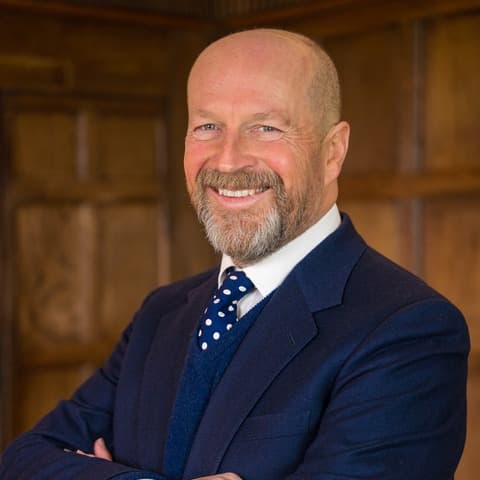
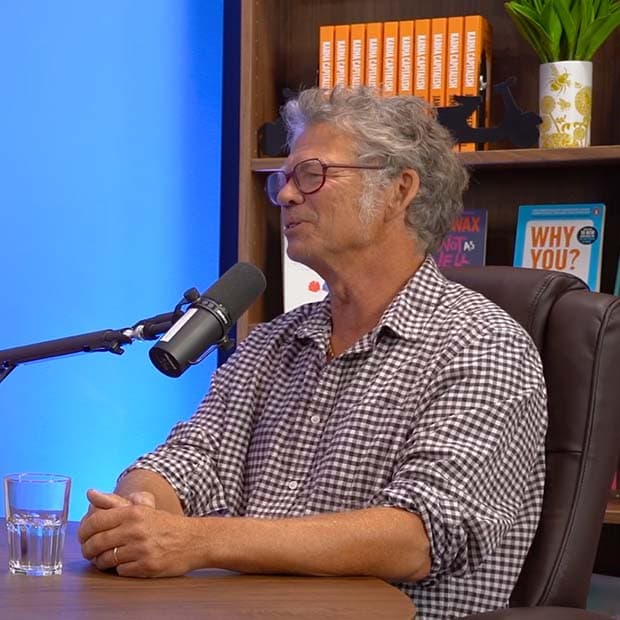
In this episode of all about business, James sits down with Guy Singh-Watson, Founder of Riverford Organic Farmers, who turned three acres and a borrowed tractor into a £120 million business, and found a way to cash out on his terms without ever putting the company up for sale.
Guy breaks down why he sold shares to his own staff instead of chasing a trade sale or private equity deal, and the near -£2 million mistake Riverford made along the way. He also shares the moment he walked away from a major retail contract and why no single customer, however large, should ever be allowed to dictate your terms.
The conversation unpacks what changed once Guy made the shift to employee ownership. He also gets candid about leading as an intuitive, emotionally-driven founder, and how a genuine apology turned out to be one of the most underrated leadership tools he's used.
Timestamps (Video)
02:21 from wheelbarrow to veg boxes
11:43 change fatigue and leadership
19:23 approval driven growth
27:01 employee ownership in action
33:36 why employee ownership
42:54 greenwash and customer truths
49:47 supermarket bullying exposed
Timestamps (Audio)
01:31 from wheelbarrow to veg boxes
10:08 leading through constant change
17:56 growth drivers and father’s approval
20:15 leadership transformation and coaching
25:27 employee ownership in action
32:09 why employee ownership
41:27 greenwash and trust
48:20 supermarket bullying stories
Follow James Reed on LinkedIn:https://www.linkedin.com/in/chairmanjames/
Follow Guy Singh-Watson on LinkedIn: https://www.linkedin.com/in/guy-watson-359154a7/
Find out more about Riverford Organic Farmers and their products here: https://www.riverford.co.uk/
Submit your application to Reed’s Entrepreneurs Fund for a chance to win a £20,000 grant: https://www.reed.com/entrepreneurs
[00:00:17] Well, today on All About Business, I'm really delighted to welcome Guy Singh-Watson to the studio. Guy, you're a self-declared veg nerd, which is a category I haven't come across before, but I love, and you are the founder of Riverford Organic Farmers, as I understand it. So- That's me That's a fabulous business that I think will be familiar to many of our listeners.
[00:00:38] But tell me a little bit, Guy, to start off about Riverford as it is today. Okay. Well, I'm, I'm a farmer's son. My father was a tenant farmer, and, uh, after a brief career as a management consultant in the mid-'80s, I, I came back and started growing organic vegetables on the farm in 1986, [00:01:00] '7, and 40 years later...
[00:01:02] That was just me and a wheelbarrow, really, and a borrowed tractor, and selling vegetables out of the back of my car to local shops. Uh, yeah, and 40 years later, Riverford is a 120-million-pound business with, uh, 1,200 co-owners. It's, it's owned by its, um, workers now, uh, delivering 70,000 veg boxes, organic veg boxes, pretty much around, uh, England and South Wales.
[00:01:29] Fantastic. So, so, so you- you've got se- you've gone from a small three-acre vegetable- Yeah ... farm to a business with 120 million turnover, so 10 million a month, which is very substantial. Yeah. And 1,200... What did you call your colleagues? Co-owners. Co-owners. So it's an employee-owned- I'm one of 1,200. Yeah, it's gonna be- You're one of 1,200 employee-owned business, fully employee-owned.
[00:01:51] We became employee-owned in 2018 after, God, I think it was almost 20 years from when I first thought about it whilst working my way [00:02:00] down a row of lettuces with a hoe to actually doing it in 2018, and, uh, and um, you know, and I'm, I'm just absolutely delighted with the way it's gone. So I'm visualizing you and your hoe and the row of lettuces, thinking maybe gardening's a really good way to sort of stimulate creativity and ideas.
[00:02:18] And I mean, clearly your journey has been a remarkably, you know, productive one if you go from where you started to where you are. Yeah. And the number of people you have literally fed, um- We have fed a lot of people So how, how did you go from A to Z, or Z, um, as you have done? Um, yeah. How did that happen?
[00:02:35] I pretty much put my head down and got on with it, really. I mean, I didn't... There have been, I think I've only ever once really written a business plan, and, uh, I think I'm quite a sort of intuitive thinker. I can be quite kind of emotionally driven, I think. Uh, and- And a lot of the decisions, the key decisions in my life were made like that.
[00:02:58] I, I, I'm [00:03:00] quite introvert, I think I'm dyslexic and autistic, and I am best on my own quite often. And for me, that is often in a field of vegetables- Right ... or sometimes at home cooking those vegetables. Right. And, and, uh, you know, for the family and friends, um... Yeah, so I, I, I need, I need peace and quiet a lot and that's where, that's where- And you found that on the farm?
[00:03:24] that's where the ideas come to me. I still write a weekly newsletter which goes out with the veg boxes, and I'm normally thinking about that while I'm out in the field or sometimes sitting on a surfboard, but almost always on my own, yeah. Right. So you, you started out as a young man, you mentioned as a management consultant.
[00:03:41] You worked I think in London and New York. Yeah. And then what happened? W- well, this is a big change to going to growing vegetables. Okay. Well, I always wanted to be a farmer, you know, ever since I pulled on my first pair of wellies, age two probably. Right. A- and I was always stomping around the farm, and I think that's kind of where I was happiest.
[00:03:59] But [00:04:00] there was a time in my, um, early 20s when I came back from university where I couldn't get on with my family, and it was a family business, so I just, I just one day, I just decided I can't do this anymore, as many of my decisions have been. So, so you weren't getting on with your family at that time?
[00:04:16] No, I, I wasn't. You wanted to get away and do something. It was a bit of an Abel and Cain thing with my brother and he was- Right ... obviously gonna win, so I thought I'd better leave. And so I did, and I had a first from Oxford which got me a job as a management consultant in London. Had a very good shower, washed off all the cow shit and bought myself a snappy suit, and, uh, the next day I was a management consultant.
[00:04:36] Presentation's important. Yeah. No, it was, though I think the appeal of them was, for me was they liked my maverick-ness, I think. Right. And somehow presenting that to clients seemed to sort of work for them. And I had a very independent way of thinking, which I think was also quite useful if you're kind of challenging norms, looking for new ways of doing business.
[00:04:57] So I did that in London for a year or [00:05:00] more. Every time I threatened to leave, they doubled my salary and, uh, and then I said, "No, I wanna go and travel." And they said, "Well, we'll, we'll send you to New York and you can open our office there." Right. So this was like only 18 months after I'd been milked cows.
[00:05:12] So you're obviously good at the job. Um- I think I, I, I think I was. I do, I do, um- You know, I have struggled with various issues of mental health and so on, but mostly I am blessed with a sort of, quite often with a sort of blind arrogance that I'm gonna do this my way. Right. And, uh, and I'm... You know, I'll listen to you a bit, I'll try and learn what I can from you, but I'm gonna do it my way.
[00:05:35] And that seemed, they seemed to sort of quite like that, so I went off to New York and set, opened a office there. And, uh, actually, I loved living in New York. I probably loved living in New York rather too much, actually, and took over a bit. Yeah. And after six months or a year, I can't remember, I just couldn't do it anymore, so I, I jacked it in.
[00:05:54] All right. Sailed boats around for a bit and then came home and started growing organic vegetables back [00:06:00] on the family farm. So how did you reconcile yourself with your family and brother, or what happened that, so you, you, you were able then to- Oh, a lot of therapy. A lot of therapy? A lot of therapy, still going.
[00:06:09] All right. So you recommend that for- I mean, most families are a mess, aren't they? I mean, you've been very open, Guy, talking about you're a bit autistic- ... and, and, and dyslexic and having- Yeah, well- But this is- ... we're all human beings. Exactly. Business is about human beings, and I find it really annoying when people pretend that it's not.
[00:06:25] You know, w- it's about how we live together and trade together, the- that's human relationships. It's not... You know, obviously ultimately it comes down to money, but if you don't respect the human element of that... And I find it really annoying when people won't do that, when people sit around a board room and pretend that we're all being completely rational, when actually if you scratch the surface, 90% of decisions are emotional anyway.
[00:06:49] And I think you might as well acknowledge that, and if you acknowledge it, you are probably gonna be a better and safer leader and make better decisions. Um, yeah, so I think we [00:07:00] should not be afraid of our humanity. We shouldn't be afraid of using, you know- Words ... words like love and, yeah. Love Mondays, right there.
[00:07:08] So, so I agree. But you, you, you have, um, you've said though that you've made, you make decisions intuitively quite a lot. Yeah. And, and you, and you obviously think deeply a lot on your own- Yeah ... which is interesting to me. I do. I- that also is dangerous, and I do acknowledge that. It's dangerous? Yeah, I do think, I think self-knowledge, knowing about why you make the decisions, how you make them, being able to be willing and welcoming challenge, so that I make my decisions like that, I need to be surrounded by people who are sort of probably more data-driven, who are more considered in their judgment, and I'm lucky that our CEO at Rob- uh, Riverford is, I think, a very good complement to me and, and some of them- How long have you had that CEO?
[00:07:47] Oh, he's, God, must Rob be 12 years, I should think. And- So you've found someone who complements you. Yeah, I think we work really well- Yeah ... together. How would you describe Rob? Um, he's much more [00:08:00] consultative in his decision more making. He's much safer. He's probably quite risk-averse. I think we are a good balance together, possibly too risk-averse.
[00:08:09] Sorry, Rob. But I think we work together- No, I mean, you're, you're the person who says, "Let's have a go," and he says, "Hang on a minute." Is that how- Yeah, and he's normally right, and together we normally find a good way. There's Charlotte, who has been there for 20 years as well. What's her job? And she started off in HR.
[00:08:23] I think her job is change director or something now, but both, she was also- Uh ... she was absolutely fantastic in the transition to employee ownership, which was... It was kind of my idea, it was how I wanted to go, but I just really hadn't, I didn't have the skills to be able to deliver on it. So Rob and Charlotte are both very good on, and indeed the whole senior team are great on delivery.
[00:08:44] I suppose if I have one worry, you know, post-Guy how the business will be, I'm still the disruptor, I'm still the creative, and we need to, you know, we need to re- You need that element. Yeah. I think- Yeah ... I think how businesses develop as they grow and [00:09:00] mature and, and probably people like me are no longer the appropriate person to be leading them in that.
[00:09:06] So I'm, I'm, I guess I'm more of a sort of startup sort of person. Uh, you know, how you make that transition, but hopefully retaining enough of the entrepreneurial, disruptive, creative element to be able, to be able to change. 'Cause the world is changing around us, and anyone who thinks the safe route is to just to carry on doing what you're doing, I mean, that is absolutely guaranteed, you know- Well, you said something-
[00:09:30] the end ... in my preparation I noticed which really struck me. You know, if you're afraid of change, you're in trouble. Yeah. Sorry, James, can you just say that again? Oh, there's a beeping outside.
[00:09:44] Someone's reversing Yeah. That's, that's the problem with it
[00:09:51] Yeah, Guy, you said something which I, I, that sprung off the page to me when I was preparing for our conversation, that, you know, if, if [00:10:00] you're afraid of change, you're in trouble. Yeah. You, you mean that as a business leader of an organization, I'm- Yeah, I do ... I imagine. I mean, you know, if you're... I'm 66 now, and there are definitely days when I get up and, and I'm just feel tired of the pace of change, but that is, you know, if you're fearful of change, you know, you, you, you know, in an ideal world, you're seeing change as an opportunity, um, opening new doors for development and so on.
[00:10:24] But, you know, if you, if you become fairful- fearful of change and you just wanna maintain the status quo and fight change, it's time to step aside, I think really, and let someone else have a go. As an entrepreneur, as a business leader? In just about everything. In just about everything. Well, actually, I mean, there are lots of- That's what the word- I suppose that's what the word retire means.
[00:10:43] You retire from the fray or- Uh, yeah, yeah. You know, good point. Yeah. Yeah. It's, um- I mean, I do sort of long for a world that would ... I do long for a world that maybe pace of change is ... I mean, it's so, the pace is so fast now. I mean, as a [00:11:00] farmer having just been through a drought, you know, on top of all the post-Brexit changes, on top of, you know, farmers being screwed over by supermarkets or whatever, it is just, I, I, the, the abiding feeling I'm getting, you know, at the moment is one of just complete exhaustion, and I don't think it's just me at 66.
[00:11:19] Yeah. I see it on the farm around me. It is, I think there is a limit to the rate of change that we as human beings can cope with and, and- Our capacity for it. I do think, and I think we are being challenged at the moment. Things are changing so fast, and of course AI and, i- on top of that. You know, it is, it's really hard for us all to keep up with it.
[00:11:38] Yeah. So there's, that's different though to being tired or wondering how to keep up. It's different to being fearful of it, isn't it? It is, and there's no doubt that as you get older you know, your appetite for stability, um, you know, increases. We just change, I think. And, and- Yeah ... you know, I do, I do think I still have a lot to [00:12:00] contribute, but, but I, I think it is time for yeah, other people to- So you-
[00:12:04] step into my shoes in a lot of areas. Which you've, you've done in a very interesting way, which we'll come to with the employee ownership. But you, you mentioned a moment ago about supermarkets and, and you've said that, you know, cheap food is not really that cheap. Um, so what, what, what's happening here?
[00:12:20] What, uh- Well, I mean, we- What's your philosophy around food production- Yeah ... and consumption? So, so we ... I mean, farming is now down to .6% of GDP. I mean, we most of us spend on average around about 10% on food, but of what actually go of our income on food, but what actually goes to the farmer is about .6 of a percent.
[00:12:43] Food at the farm gate has just got cheaper and cheaper and cheaper, and what we spend on food, whether in a supermarket or a restaurant, particularly in a supermarket, has got relatively cheaper. But that's a double whammy for the farmer because the share that they get has just declined and declined and declined.
[00:12:58] In nine- when they repealed [00:13:00] the Corn Laws in 1846, 75% of the cost of a loaf of bread went to a farmer. Today, it would be about 5%, and the loaf of bread is cheaper as well. So 5 or 6p in the pound is all the farmer gets when you spend money on food. It varies by product. With, for meat it would be more. For vegetables, it might be 25 p- pence in the pound.
[00:13:07] Which begs the question- For wheat, it would be about five ... where's the
[00:13:21] other 95 pence gone? Well, it, it's gone into the retailer's pockets. It's gone into the food processing sys- pockets. And it, we know we have a completely dysfunctional food system where, you know, all that money is being spent on the middle, but we're getting, you know, we're getting Certainly in the last 20 years, I, I, th- th- just worse and worse food, and we're seeing that, you know- But, but-
[00:13:41] at the doors of our hospitals and doctors' surgeries with obesity and type 2 diabetes. You know, we have a completely dysfunctional food system, which is the result of a completely rational application of neoliberal economics, you know? So and, uh, but the result of it is completely [00:14:00] irrational if you look at it, you know, how we are behaving.
[00:14:02] You know, we all live in an obesogenic environment where we are tempted to eat the foods which are killing us. Literally. Yeah, literally. So what, what's the solution to that? That sounds like- I mean, that sounds ... I mean, that's literally a systemic problem of- Yeah. It's a sy- ... huge proportions. It, it's a systemic problem, and it's gonna be really difficult to, to solve, and it's not gonna happen overnight.
[00:14:26] There won't be any silver bullets. My sort of dream, you know, is that we all get closer to our food. I mean, I guess, you know, could be live- Well, you're helping people to do that. I think so. I- That's your offer. Yeah. It's not just your dream. That's what we do- Yeah, yeah ... and we're telling the story about it.
[00:14:39] Yeah. You know, I write ... Just got up this morning and wrote the newsletter for ... It's going next box to Nick Bo- What's in the latest newsletter? It's a, it's a what can we learn from the drought and what- Right ... what did well, what didn't do well, how can farming be what- And what did well and what didn't do well?
[00:14:52] I wanna know. That's a- Okay. Well, the, the, the monocrops- Yeah ... you know, generally have not done well, so fields of [00:15:00] Italian, you know, you know, of rye grass- Yeah ... shallow rooting, highly responsive to fertilizer have just been an absolute disaster. Where you've got leys, herbal leys involving chicory and deep rooting, uh, red clovers and plantains, and they have done much better.
[00:15:17] In fact, they, you know, right up to the end of August- Was that deeper rooted? Is that it? Yeah, yeah. Yeah. And they were s- they were still green and growing. I have to say, they're not the cows' favorite food. I mean, chicory is very bitter, but there was at least something for them to eat there. So I think embracing complexity and diversity, which I think is almost a sort of philosophical point, really.
[00:15:35] I, I, I think capitalism, neoliberal economics- drives us towards simplicity and scale. That's how, um- Right ... you know, I just had a coffee in Pret just outside. Yeah. You know, there, there is, uh, I walk past three on the way from the tube, they're all serving exactly the same thing. They'll say the same thing to you when you walk into them, and that sort of simplicity [00:16:00] does seem to be what works, um, in an econom-
[00:16:03] But I don't think it's what is enriching society or our diets or whatever. So I think just a willingness to embrace complexity, and I think we can learn- How'd you do- ... a lot from nature. I, I certainly have, you know, just- Yeah ... from being amongst nature and see how that works. I know it might sound a little bit hippy-dippy, but I think there is some truth in it.
[00:16:23] So when you say embrace complexity, how does one do that? I mean, what's the- Okay. So I would like to- What's the mindset? ... in my industry, in farming- Mm ... I would like to see, uh, mixed farms, uh, which are sustainable by virtue of they're generating most of their inputs internally. They have balanced rotations.
[00:16:39] They're using animal manures and compost. They have complex cropping systems. They are selling to a wide range of outlets, be they pubs, you know, local shops and whatever, rather than just six dominant s- supermarkets who all want the same thing. You know, that that offering changes throughout the year. You know, we're not
[00:16:58] Yeah, so in- But that's what we [00:17:00] would've had 100 years ago. Is that- Yeah. Yeah, and I- That's what was there ... and I am aware that I'm in danger. I probably do have Luddite tendencies. No, no, but, but it's interest- And, and, and- We had a much more sustainable- Yeah ... system that was- We did ... superseded by something that's unhealthy.
[00:17:13] But we need to learn there were some good things in the past, there's some good things now. I think we do need to apply modern technology to, but without using that to drive us down this road towards scale and simplicity, which is what I've seen in the British agricultural industry, and I think it's been disastrous environmentally, socially, and nutritionally.
[00:17:36] So your business, now 40 years old, or 40 years since you started growing those first vegetables in Devon, um, has obviously grown a lot. Mm. Um, you did things that obviously appealed to the market. Yeah. What, what would you, what would you say were your key sort of drivers for that growth? How did you achieve it?
[00:17:56] What, what was the sort of essence- Okay ... of it? Um, you, [00:18:00] you may have to define the question, but the key driver for me internally was searching for my father's approval. That was ... And I think that is not uncommon, actually, in a lot of entrepreneurs. I recognize that myself. Yeah. Okay. It's- Sorry ... and, uh, we're probably of a generation- Yeah
[00:18:14] when our fathers were quite reluctant to- Give it ... give their approval, though he did pull me to him on his deathbed and say, "Son, you've done well." Oh, well, that's good. I've, I had a similar experience, so that, that's good to hear. I'd quite like to have had it earlier. So that, so that drove you forward. So that drove me forward.
[00:18:30] So I- Yeah ... you know, I always, even after ... I, I think it becomes ingrained in you that you have to sort of prove yourself or something, so- But how do you deal with that after he's gone? Doesn't make a lot of difference really. I find I'm still tremendously influenced by him. Though- Yeah ... when I portray him, he probably sounds like a bit of a miserable old git.
[00:18:48] He wasn't at all. He was a- I didn't take that. I didn't take that. Okay, good. He was the farmer of his generation. He was a man of- Uh ... very strong values who I think, despite the fact he came [00:19:00] from, you know, monetary privilege, had actually a very difficult life, and, um, and made- Yeah ... the most of it. Yeah. So he inspired you in a sense?
[00:19:09] He did, yeah. I still- Yeah ... I find myself today- Which continues ... oh, God, I'm gonna get tearful. I can't talk about my dad. Oh. You'll have to cut that bit. Yeah. Oh. Um, he, uh, yeah, he is an inspiration, and indeed his, actually his whole, um, generation, that post-war generation who I, I think, I think is the proudest bit of Britain's history.
[00:19:29] You know, we came out of the war, you know- Yeah ... actually on our knees commercially and, and, and with, I think, national debt was twice GDP, you know, you know, way worse than we are now, and we still managed to find the money and the commitment to build- And national health and, and you know, and to create a land fit for heroes.
[00:19:50] Yeah. And, and, and, uh, you know, people coming back from the war, like my parents. And, uh, you know, I'd love... And there was a tremendous unity in the country, and, you know, that's what I'd [00:20:00] love to see us- So we can learn from that ... get back to, yeah. We can learn from that. You- you- you've learnt a lot, you- you've said about y- leadership- Mm
[00:20:07] and management yourself over the, your career- Yeah ... you, you said. Yeah. And, and I think you've acknowledged that coaching has been helpful. Yeah. What, what was your own personal journey as a entrepreneur and leader that- Okay. Well, I think I was- ... in coaching ... the, um, normal maverick entrepreneur who broke a lot of things, and broke a lot of people probably, but got it right long en- you know, enough of the time But you call yourself a macho dickhead, I think you actually I know you did.
[00:20:36] I mean, I'm not, so- Uh, yeah. Well, we was- And then you said- I- it never what I wanted- But- ... to be honest, but that was, I think I can be quite intolerant and impatient. Uh, I- I'm, a lot of my decisions are quite intuitive. I get there quite quickly. I'm then really frustrated and all. You wanna get on with it.
[00:20:53] Yeah, and then you spend two months writing reports to justify a decision that you've already made. You know it's a good idea. Yeah. [00:21:00] Wanna get on with it, yeah. And, and all that drives me up the wall a bit. Yeah. And I can be a bit intolerant, and I think, you know, I've lived a tremendously privileged life, where I've been able to get up in the morning and do what I wanna do.
[00:21:09] Most people's lives aren't like that. And, and I think I was disrespectful of that, and I think that was, you know, hard on a lot of managers and, uh, and staff, and actually particularly hard on women because it came across the way I behaved. I realize this in retrospect, was, gave other people, particularly men, uh, permission to abuse their power really.
[00:21:36] Right. And I think women at Riverford particularly, um, suffered- So it sounds like you've gone through a sort of personal transformation- Yeah, yeah ... then. I, I, well, I, I have- Well, what, how did that progress? Well, I mentioned- And what did you do? ... I have done quite a lot of therapy and looked at- Right ... why I do what I do.
[00:21:52] But I ha- also had an absolutely fantastic coach who I still see Um, who was, you know, she, [00:22:00] she was an opera director who segued into coaching Opera director. Excellent. Yeah ... uh, when she had children, didn't wanna travel, and, um, she just is, she was just very good at holding the mirror up to me and, and, and, uh, we'd often just go for a walk and sh- and she'd, she having sat and aboard me and witnessed my behavior would tell me how I needed to change, and I think she was astounded that how e- how, how easy I found it to change, actually.
[00:22:25] Well, that's what's interesting to me. Yeah. Well- I mean, you've been very open again about where you've been and where you are. Yeah. Well, she told me one day- How, how did you change? I mean, 'cause it's not that easy to change, is it? Well, I think she was, you know, takes a lot of credit. My wife gets a bit annoyed that I give her all the credit.
[00:22:39] My wife takes definitely- She gets some as well ... gets some of the credit as well. But, but, um, uh, I guess holding the mirror up to me, she would sometimes witness my behavior, and I do remember her once saying, "Guy, you need to be gratuitously offensive less often, and when you are, you need to recognize it and apologize quickly [00:23:00] and publicly."
[00:23:01] And I can't help noticing how I think I was quite poor apologizing and, and- Right ... but actually a genuine apology, you have to believe what you're saying, but it's actually a really easy thing to do when you learn- Yeah ... how to do it, and it just changed the room. The fact that I could acknowledge that I'd got it wrong and I'd learned- Yeah
[00:23:19] and I'd moved forward meant that other people could, and it, it just really, it did really radically change. I knew that we had cultural problems at Riverford. I c- didn't think they could possibly be my down to me. Okay. Yeah, right. But they absolutely were. They started at the top, and she- Yeah ... I think she recognized that and says, "You know, we've gotta deal with you first, Guy, and then we'll- Right
[00:23:40] work on every- everyone else." And, uh, um- So the culture of the company changed- Hugely ... as a result of your behavior changing. Yeah, and this was, this was whilst we were- Hugely ... approaching employee ownership. Yes, I think so. They used to call it The Riverford Crane. Right. You know, someone would just pick you up, toss you out of the window.
[00:23:58] You were- Oh, right ... you were, you know, [00:24:00] collateral damage. You were gone. Right. It, it was... I mean, there were good things as well. I'm painting quite a bleak picture. I mean, I think it was quite inspirational. I mean, as a lot of those maverick- Well, what- ... entrepreneurs are, they tend to inspire people and lead people on- Yeah
[00:24:14] but they often lead them in the wrong direction. What, what I'm thinking, uh, this thing is that you, you said earlier that a lot of decision-making is actually emotional. Yeah. And it was, and it feels to me like it still is, but it's now managed in a different way. Yeah. Well, I think- Or you manage your emotions in a different way
[00:24:29] I recognize that. I, you know, I recognize what I'm good at, what I'm... I think I've always been quite good at surrounding me, myself with people who can make up for my, um, weaknesses, but I do think that it's absolutely incumbent on anyone in a position of power to really understand why they do what they do, how they make their decisions, and if you're not, if you don't do that, you are going to be a dangerous individual, and you know, you may well end up, you know, if we look through history, you might be a [00:25:00] Napoleon or a Hitler- Mm
[00:25:01] or today you might be an Elon Musk or a Donald Trump- Mm ... or a Boris Johnson, all these people who are really, really flawed, probably badly parented, you know, insecure, but out, out of their insecurity comes some behavior which is, is really damaging to the rest of us. And, you know, those are the people, their power has driven them, or their lust for power and wealth has got them in these positions where they can really shape the rest of our lives in a way that they're really, you know, they're the least suitable people to be doing that, and, and, and, and I think we see that in the world today, and I, I find it really scary, and it, it is really a result of a, a grotesque inequality of wealth and that wealth being able to buy power, shape the society that we live in, make the rules, and, and, um, you know, I, I, I, I really fear for- democracy and actually even civilization.
[00:25:55] And, you know, unless we can get back to a more equal and [00:26:00] fair, you know, division of, you know, the spoils of- So you, this, you describe as a grotesque inequality of wealth. Um, but you did something about this in your own business. Yeah, I think I've al- You, you decided to address that ... I've always been uncomfortable with, you know, naked shareholder capitalism, the idea that business is run solely for the benefit of the shareholders, which is pretty much corporate law today.
[00:26:24] I know it has been, uh, changed a little bit. Um, and I, I've always been uncomfortable. Now, I think I was aware from quite early on that the success of my business wasn't just dependent on me, it was dependent on the efforts of a lot of other people as well, and it seemed right that they should share in that success.
[00:26:42] So, and that eventually led to, uh, Stuart- Well, I met Stuart Hampson in about '99, I think, and who was the chair of, um, the John Lewis Partnership at that time, and he was tremendously helpful in, he probably never knew, but how much he shaped my thinking and, [00:27:00] and- Well, you just met him socially or was it deliberately to talk about this?
[00:27:02] Oh, he was presenting me with an award at the Royal Agricultural Show. I can't even remember- Oh ... what it was, but we ended up having this conversation, and he sent someone down to Riverford, uh, a guy called Ken Temple, who was, he described as the guardian of values at the- Right ... John Lewis Partnership, and that started this journey.
[00:27:18] But it took us, God, almost 20 years to get there because, you know, there were a lot of crises along the way, and actually I didn't have the skills to be able to deliver that. That was- So what's key to get... You know, if, if an entrepreneur's thinking about their legacy and is thinking this might be a route they wanna go- Mm
[00:27:34] with their business from just shareholders to- Yeah ... employee ownership, what are the key things they should be thinking about? 'Cause you, you said it took you a while. Oh- Things got in the way, but- I th- I don't, I haven't done this myself, so I want to hear from you. Well, it's interesting. I know the Reed Group, you know, great- Yeah
[00:27:49] philanthropists and, um, I, I respect the role of philanthropy, but I, I would rather live in a world where business beha- was [00:28:00] mindful of its responsibilities to the environment, to its employees, to its customers. Uh, and, um, rather than made a lot of money, um, just doing, you know- Mm ... r- just concentrating on shareholders and then possibly gave some of it away later.
[00:28:19] Uh, and, and you know, I, I think business could be, you know, a tremendous force for Good for, you know, shaping a better society. And, and I would like to see business behaving like that rather than undermining society, which I'm afraid if you look at the behavior of our water companies or you look at tech bros, you know, you look at the monopolies that, um, are emerging in almost every sector.
[00:28:43] E- even if you go to your local vets, which is probably now owned by a conglomeration, you know, or your dentist or whatever, it's happening everywhere. Uh, uh, Rory Doctoroff wrote a book, Enshittification, which I think it- Yes ... it mainly about the tech sector, but it could be applied to [00:29:00] almost everything. Uh, you know, I, I think we are living in very dangerous times, which I find hugely, I, I find distressing and, and partly 'cause it's so wasteful.
[00:29:10] I don't think that is human nature. Most people who work within those businesses actually really wanna do something useful. If you read Dan Pink and his, you know, that we are motivated by a desire for mastery, doing things better, purpose, doing useful things, and autonomy, having some power to shape how we do.
[00:29:29] Those are the things that really motivate us. Money is a really poor way to get things done, yet we have constructed a world where we pretend that money is the only reason that anyone goes to work in the morning, goes to teach, is a doctor, a nurse, and whatever. And it's, it's just a lie. It's, it's an, it's an insult to what is a much more noble nature that most of us have.
[00:29:52] And, and we've gotta push back against this. You know, we, we, we can't let those, you know, who are [00:30:00] psychologically disturbed as many rich people who crave that power are, we can't let them dictate how society is shaped. We've, we've gotta push back. So h- how, how do we do that, Guy? Well, for me, that meant becoming employee, employee-owned.
[00:30:13] I feel I needed to really demonstrate that I wasn't conning people, that I wasn't then gonna go and- You had to walk the talk ... sell. I had to walk the talk and- Yeah ... and, and, and I suppose having done that, I've been now involved in quite a lot of other things, but I'm, I'm just trying to demonstrate that there is a better way of living, and when people like you give me the opportunity - No, it's good
[00:30:34] I will spread the word. Yeah. Please, please k- keep going. Particularly to people within the sort of business community who I really want to sort of challenge some of their assumptions. So what's changed now that you are employee-owned? I mean, what's your job? Uh, well, I've moved from being, I guess... Actually, I stopped being CEO in, I think, about 2005.
[00:30:53] I'm now- A semi executive director, I suppose. Uh- Semi? Well, I'm actually called a [00:31:00] non-executive director, which irritates me a little bit- Non-exec ... 'cause I, 'cause I do quite a lot of work still. Right. So, yeah. So, um, and I spoke, but that's my title, but my role really is I'm still, you know, chief troublemaker really.
[00:31:14] I will- I'm disruptive in a board. So, so do people defer to you to make the decisions still then? I think they like my challenges a- a- at work. I will, you know, if I see something I don't like, I will challenge it in a way that I'm really trying to encourage other people to do. But I think it's quite difficult if you've spent your life as an employee, you've had a very different experience to someone who has been their own boss.
[00:31:38] And, you know- Yeah, I think that must be right. Yeah. I mean, so it's hard. I mean, you, you made a very interesting point about how you continue having that disruptor- Yeah ... element- Yeah ... in a, in wholly employee-owned. Who's gonna f- fulfill that function after you? Well, very good question, and we've had, I suppose, for the last, well, since 2018, even before that, we have been asking ourselves this question and looking around for examples of where founders have [00:32:00] stepped aside and how companies have kept that challenging, entrepreneurial, disruptive way of doing things.
[00:32:06] It's very hard to find them. I mean, I, you know, I don't know if you- 'Cause they'd be entrepreneurs themselves, I suppose, a lot of them. I suppose so, yeah. It, uh... But it, it's not just- Because- It's also as businesses grow, they- Yeah ... require systems, and, uh, a- and that, and people like me hate systems, you know, we- so we're, we, we tend to start heading for the door when those systems come along.
[00:32:30] Push against your layers, yeah. So it's quite difficult, you know. And you see, you know, like I gather Jeff Bezos, you know, he will set up, if he's got a problem, a new sector they want, he'll set up three different initiatives, all autonomous, and let them fight it out, you know. So he's trying to get to that, sort of back to that early startup culture.
[00:32:47] Yes. Uh, and you know, I, I understand that's how Amazon work. But most large businesses are, lose their creativity. They're incapable of being original, and they just buy up. They, they, the source of their [00:33:00] new ideas is normally just buying up startups. Part- sometimes quite often 'cause they wanna suppress the startup and maintain their monopoly.
[00:33:06] Sometimes 'cause they wanna- Yes ... buy the ideas and intellectual property. So, so where next for Riverford then? What's your sort of future plan? Um, uh, we have got quite a big plan, but I can't tell you about it. Slight change- Oh, is that, is that exciting, is it? ... we're gonna, it's gonna continue, we're gonna continue to be all about organic vegetables, but maybe I think we need to look at our route to market a little bit.
[00:33:28] Right. A lot of people love the veg boxes. A lot of people find them quite challenging. I mean, I've lived my whole life, I think I'm one of the few retailers who's prepared to say the customer isn't always right, you know. And let's face it, a veg box is often, you know, letting us determine- So when's the customer been wrong in your...
[00:33:45] recently? Oh, um- Well, the customer will, the, the customer is normally hypocritical and ill-informed. Sorry, customer Yeah, go on But I mean, you know, the, we [00:34:00] live in a very complex world. We do How can they possibly be informed about whether compostable packaging or d- or, um, biodegradable or just degradable packaging is the right way to go?
[00:34:10] That's our job to do that. So what, so what are you trying to do here? Y- Well, the packaging is in dispute Well, we moved, um, God, it must be six or seven years ago, I think after the Blue Planet came out or something- Oh, yes. Yeah ... and there was all the thing about marine pollution and plastics. And we already used About 15% of the amount of plastic the supermarket does per kilo of vegetable used.
[00:34:32] But we did take the decision- Oh ... to go to compostable packaging, 'cause all our customers were saying that, that, that this use of plastic was completely unacceptable. Um, we are having to review that decision. We still haven't sort of finally- What, because of the durability of it or? It's, it, it's ... Yes, it's changed.
[00:34:50] It's become compromised over the years. It, it, but mainly because despite the fact we did our research, and I think 85% of it looked like it was gonna be [00:35:00] composted, it's turned out it hasn't ended up like that. Oh, really? So then, it's quite technical. I can go into it, James, if you want. Well, no, I'd like to understand this- But I, I s- 'Cause so you, you tried to do- I c- Yeah
[00:35:09] Well, the point, so we were driven by customer perception. Yeah. We did a bit of research, and it seemed like the right thing to do. We didn't do enough research, I don't think. Uh, but we did more research than most people did, and we went down this compostable packaging, uh, route, which has probably cost us, I'm gonna say, between a million and two million pounds.
[00:35:31] I- we could have put up a windmill, wind turbine with that, would've made us completely self-sufficient with green energy- Right ... you know, on the farm. Right. And that, I think, would've been a much better way of spending the mon- I'm just saying being driven by customer- Yeah ... perception is not always good enough.
[00:35:45] Sometimes you have to- And, and the customer hypocrisy is you know that- Yeah, and c- ... they're buying plastic in other supermarkets and so on. Yeah, and all, they tell us they want all UK stuff, or a lot of customers does. Hmm. We do have a UK only box, and it is doing reasonably well now. I think it's, it actually, it's done a lot better in the last few years.
[00:35:59] I think it's maybe [00:36:00] 4% of our sales. It never got above 1%. UK only, really? UK only, 'cause most people, whatever they say, do actually wanna eat tomatoes in January. Uh, that is the truth of it, and I'm afraid so. We've all got used to that. Uh, and I even do it myself sometimes. Actually, I wouldn't eat a tomato, but there are- You wouldn't?
[00:36:16] I definitely ... I'd, uh, well, 'cause they're just not worth eating in January. There's, they haven't had enough sunlight, even in Spain. Right. But, but the, um, but I do want a lemon. Right. Yeah. And I've, and, uh, so, uh, I think- So you wouldn't get that in your UK only box? No. No, you wouldn't. Well, you'd get- And I'm sure you get- Well, you'd get a lemon at any time of year in your UK only box.
[00:36:37] No. Never. You're not gonna grow them in the UK. Right. But, um- Uh ... yeah. I mean, we do work very closely with growers in southern Europe as well. So, so, so, so there's a balance here, isn't there- Yeah ... to giving customers what they say they want. Yes, there is. But what they actually want, and this might be different.
[00:36:52] Yeah. And. So I do, I do, I think we should be willing to push back against the customer is always, um, right. Hmm. [00:37:00] Uh, you know, uh, because it's just too ... I think most people wanna do the right thing given the right information, but they don't have the right information. And, and, and it's really easy with a clever advertising company- Hmm
[00:37:15] you know, to, to Pretend you're doing the right thing when you're not. There's, you know, a huge amount of greenwash and, uh, uh, you know, and in my sector we have Tesco's with eight brands which to all intents and purposes look like come from British family farms, Rosendale Farms. Mm. But I think peppers and vegetables, they might come from Egypt or wherever, but, or Willow Farm for their chicken sounds like a British family farm.
[00:37:39] Uh, it's actually the brand is sort of administered effectively by a global corporation. Uh, and- Right ... and, and the chickens never go outside and it's hideous. So- Mm ... you know, you can... It's because we have such busy lives and we can't possibly be that well-informed on everything, I'm afraid people have just got too used to the idea, or businesses, but it's, it's normally cheaper [00:38:00] to tell a good story than it is to do a good thing.
[00:38:02] And, and- Yeah ... uh, unfortunately, that is just the truth and that, that's what a shareholder will demand 'cause that's what they can make money from. And, and that's what, that's what we get, a lot of greenwash. You've, you've said that some of the farmers supplying Riverford, you know, would no longer be in business without you.
[00:38:20] Um, how, how, how do you decide what, you know, what is a fair price then, you know, to sort of be the other side of this equation? Okay. Well, we are farmers ourselves, so we still grow about 20% of what goes in the boxes, so we kind of know what we can produce it for, and, uh, expect other people to be able to produce it as, at a somewhat similar.
[00:38:40] But mostly we ask, you know, we, we sit down in October with our suppliers and, and say, you know, "What would you like to grow next year? What do you wanna grow more of? What do you wanna grow less of? You know, what do you need to stay in business and to invest in your, in your businesses in the future?" And, and- [00:39:00] Historically, there hasn't been much pushback ag- against that.
[00:39:03] I don't think that's actually sustainable. I d- I don't think that, which is essentially a cost plus biz- way of doing things What, the way you've been doing it, isn't it? Kind of is a bit, and that has been the demise of a lot of British industry. That was the end of British shipbuilding, 'cause it worked on a Brit- Cost plus
[00:39:17] on cost plus. Yeah, it's, it's not sustainable. I, I have a philosophical standpoint that there's more to be gained from good communication and cooperation than there is from naked competition. And naked competition, the sort of that I was subjected to when I supplied supermarkets, actually stood in the way of good communication.
[00:39:34] I couldn't communicate with their customers and tell the story about how the lettuce was growing, because they didn't want their customers to know it came from me, because then they wouldn't be able to drive me down on price. So it stands in the way of that sort of communication. And equally, I couldn't communicate with, with a supermarket to tell them, "I've got a surplus of lettuces.
[00:39:51] Can we put them on promotion?" It, it, it all, it was all just about competition, and it was tremendously wasteful, and it, and I, and I [00:40:00] developed this thing that I wanted to work in a cooperative, collaborative, long-term way with our suppliers, which is how we do work. Uh, and most of our suppliers have been supplying us for 20 years and, and, or more, uh, including the ones in, in Southern Europe.
[00:40:15] And, and most of them are my friends, personal friends, you know. And, and I love doing business that way. At some point, you do need to bring competition into it, 'cause we all... The brutal truth is if you, if, if you're not prepared to get up determined to do whatever you did last- Hmm ... week, year, better this week, year, then, then you're not, you know, you're not gonna stay in business.
[00:40:40] We all have to be constantly looking for improvement. It's exhausting, but that is... If you, and if you remove competition from the equation, it tends to, complacency can slip in, and I think we need to be quite wary of that. So we are this year, we have- How are you doing that, yeah? How are you doing? Well, we have, um, we have push- we are pushing back a bit [00:41:00] on, on prices- Mm
[00:41:01] actually. And, uh, we, we I don't think... I don't know t- how you do. I, I still think our prices are fair because we are... But we're- Mm. If you just look at it in price per kilo, we were starting to be expensive. But if you include, you know, we pay people the voluntary living wage. Mm. They take the profits. You know, we use compostable packaging.
[00:41:22] Our, almost all our deliveries are made using electric vehicles. Uh, we buy only green electricity. All those things do tend to sort of add up a bit, so... But I think, uh, yeah, we need... I, I've always wanted to supply vegetables to people which were at a price and availability that made them accessible to all.
[00:41:41] A- and, and I really lament the, um,
[00:41:46] You know, the, the con- being confined to a sort of niche for the privileged few, that, that's what isn't what I went into farming to do. Uh, and, and I'm, you know, we are trying very hard to get out of that niche. So you feel a bit under pressure in that regard at the moment, yeah. Yeah, I guess [00:42:00] everyone does.
[00:42:00] I mean, that's just the reality of business. I still believe very strongly in the benefits that can come from trusting relation- long-term relationships, good communication, and cooperation, but you do also need the competition in there as well. So you ensure that's in the mix? Yeah. We have a- Mm ... suppliers charter, which actually I wrote when we became employee owned, 'cause I knew that we would look after the staff well- Mm
[00:42:24] 'cause it was their business as now co-owners. Uh, I was a... And I knew we'd look after the environment well because most of the people who work there are absolutely impassioned about that. I was worried about how we would look after our suppliers. So we wrote this document, which lays out in considerable detail how, what we expect from our suppliers and what they can expect from us, and they tend to be, you know, long-term contracts.
[00:42:46] There's an ombudsman that will settle disputes. It's a completely transparent document. You can find it on our website, and I would really love to see supermarkets moving down the same sort of route. Interestingly, in some areas, some supermarkets [00:43:00] are, because I think they realize that this, this surplus of food where they're gonna be able to screw their suppliers i- is a thing of the past, you know, that we're- So it's on your website- Yeah
[00:43:10] so z- they can find it there? Yeah, yeah. You could go to the riverford.co.uk and, and it'll be under, it'll be under the, yeah, suppliers charter. Okay. I think it's- That's very helpful for people ... at the bottom of the page. Yeah, yeah. And you wrote that yourself? In consultation with the suppliers. Uh, no. Yeah. So I, I wrote a first iteration of it, and then, "What do you think about this?"
[00:43:29] So they were involved, yeah. Yeah, no, they've been involved and, and we try and engage them in setting the specifications for the, for the vegetables as well. Um, yeah, so that's- And- ... the kind of communication ... and part of the origin of this endeavor is that you had a experience selling to supermarkets- Yeah
[00:43:44] that you found unsatisfactory. Uh, highly unsatisfactory. Highly unsatisfactory. Give it proper emphasis. Yeah. Yeah. Yeah. We never sold direct. We sold through a packer to Waitrose- Oh ... and Sainsbury's, and Waitrose were wonderful, actually. Employee owned, I [00:44:00] don't think that's a- Oh ... you know, I don't, I don't think that's coincidence.
[00:44:03] I think it's significant. Uh, I felt I was treated very badly by Sainsbury's, and, uh, i- in a way that I don't think any human being should treat another human being. The behavior of a supermarket buyer is, is just out- outrageous. They are- In what way? What was the... What did they do? Well, the final year with Sainsbury's, I think we had agreed on a minimum of 15p, though really I needed 18p to be able to grow little gem lettuce for them.
[00:44:29] Two weeks into the season they told me they were going on promotion, and I was gonna be paid 6p, completely unilaterally. There wasn't a surplus of little gem lettuce or anything. Uh, and, uh, and I said, "Oh, really? Um, you know, I wonder what the papers are gonna think about that." And, um, and at, at which point they paid me my 15p, but clearly that was the end of my, uh- Relationship
[00:44:51] relationship with Sainsbury's, and I never sold to them aga- again. So that, that was the end of it. Was, was that a stimulus for you to- But just the sort of absolute routine bullying- Yeah ... you know, which, [00:45:00] which, you know, is, uh, you know, break backs on packaging, on transport. If they sold more than what they said they would sell, they'd want some break back on that.
[00:45:08] Contributions to marketing. Mm. You know, absolutely spuriously being paid to be on the end of the aisle. All their sort of trading practices. They may have improved slightly, but I don't think very much. You know, it's just, it's just- horrible, dehumanizing, you know- Yeah ... a buyer who is rewarded and promoted purely on their ability to generate margin per, per foot of shelf space.
[00:45:31] You know, of course that's what they're gonna do. They don't care about anything else. Mm. That's, that's what we've created. Uh, and, and actually I met one of the buyers I dealt with, um, a few years later. He disputes this story, but I'm sure, I'm sure- Where did you meet him? I may have mentioned- A wedding or something.
[00:45:49] He ended, he ended up working for a company that I was selling vegetables to, and then- All right ... were then selling it to a supermarket. So I guess he was- Oh, no, not you. Okay ... he was still, he was still a... I met this guy- Right ... and my last [00:46:00] conversation with him, uh, would be when he rang me up and said, "Guy, we want you in London next Thursday."
[00:46:06] Mm. And I said, "Oh," uh, to discuss. I can't remember. Anyway. Mm. "There's no way we could make it Friday, and, uh, 'cause I've got to be in London for the weekend." And the phone went dead, and I rang him back and I said, "I'm terribly sorry. I think we must've been cut off." And he said, "Now, Sonny, when we whistle, you jump.
[00:46:22] The only question is how high." All right. And really, I mean, I was about 10 years older than him, never mind him calling me Sonny and whatever, but he... And, and you know, I met him- You weren't doing any jumping ... and he actually, he was a lovely man actually. He really was an absolute teddy bear when I met him.
[00:46:36] He was... But it, that was- ... that we had created. He had worked in an environment where that sort of outrageous behavior that no one should inflict- Oh ... on another human being was completely normalized. And, and, and that is how supermarkets- Do you think, and do you think that's still like that? Yes, I do. So these are sort of macho practices- Yeah
[00:46:54] that are still widespread. I do. I do. I think it's absolutely brutal. Um, uh, I [00:47:00] suppose one thing that has happened since then, which was 25 years ago, is that under the pressure from supermarkets, there's been all this consolidation. So now actually their suppliers are, in that particular area of salads or whatever, will be as big as the supermarkets.
[00:47:15] There probably only are three or four- Oh ... in the UK, so they have a little bit more power to push back. There's a bit more balance. So that relationship- Yeah, yeah ... power relationship is- Yeah, but that's the pa- that's the supermarket with their immediate supplier. Of course, the farmers that supply that- Yeah
[00:47:31] supply, you know, that packer. But this all, this all, this, this all motivated you massively from what I'm seeing. It did. I, I suppose- Yeah ... I've, I've been on this lifelong mission to demonstrate, prove that we're not a bunch of- savages living in the jungle, that actually as a species we are social, collaborative, cooperative.
[00:47:51] I mean, that's what I see walking down the street outside. People are not robbing each other. They're not jumping on the tube- On the whole ... and pushing people. Yes, on the whole. Yeah. You know, [00:48:00] crime has never been lower. No. Let's be honest. Why do we think it's higher? Because we're top... It's almost like certain people want to perpetuate a, a, this fear- Right
[00:48:10] that, that we're all living in a, in a, that competition is the only way that we can exist as a species, and that suits certain parts of society, normally those with wealth. And, and, but it's not the reality that I see. That is not how we are as a species. We are a noble, caring, empathetic, cooperative... You know, that's what we are most of the time, and that's how most people live their lives, you know?
[00:48:36] And th- this sort of brutality that we see in business, I think is quite alien to what we are as a species really. And, and, and the fact that I, that we are, we allow it to dominate and shape our lives, I, I find really, really frustrating. So what do we do about it, Guy? Um, I think community is really important wherever you can, um, form it.
[00:48:59] I've [00:49:00] read, uh, quite a lot that the, you know, the sort of breakdown in social contract, which, uh, I don't wanna get too political, but obviously some, there are some parties who are you know, and social media is playing a large part of, of, of that, you know, promoting fear of others, outsiders, well, I might as well say immigrants and so on.
[00:49:21] That, that, you know, that is, um, being perpetuated by those who benefit from it, and I don't think that is the reality of society today. So I think trying to be form communities, trying to interact. Where there are strong communities, they're much more resistant to these tendencies- Mm. .. I'm told. And, and, uh, and I've read, I even read it in an OECD report actually about the threat to liberal democracy, that actually maintaining, uh, strong communities w- was incredibly important in that.
[00:49:50] So I think coming together, cooperating, uh, to do things together I think is incredibly important. And, and you've made that your philosophy for the way you do business? Yeah, [00:50:00] absolutely. And, and I think- Sorry I mean, we're coming towards the end. Yeah. So, yeah. So I've been amazed that, you know, since we became employee-owned, since we became more consultative in our decision-making, we have an elected, um, a co-owner committee who, who really advise and guide the board on quite a lot of issues, and, and it has definitely helped us, um, you know, make better decisions.
[00:50:27] So I think being more inclusive, uh, in decision-making is incredibly important, and, and I've, I've actually, as a result of, um, becoming employee-owned, I have become a big fan of industrial democracy really, and, you know, very common in Germany to have, um, workers' representatives on the boards. And you find that's been a good source of ideas and- Yeah, definitely.
[00:50:51] I, I- ... counsel. Yeah, yeah. Yeah. I think, I think we've still got a way to go. I think we could cast it wider and, um, you know, the idea that a bunch of highly [00:51:00] paid executives have some sort of divine wisdom that's gonna en- enable them to run a business, I think is just hogwash. Sounds like it is to me, too. Um, thanks so much for coming in and speaking- Thank you, James
[00:51:14] so passionately about your business and how you do business. I found it fascinating. And, um, I always ask two questions at the end, um, of my conversations, Guy, which I'm gonna ask you. The first is, because here at Reid we love Mondays, is what gets you up on a Monday morning? Um, well, I do... I wake up and I look out of my window.
[00:51:38] I'm very lucky, and I have a beautiful view, and there's a field where I see the squash ripening and the borlotti beans, um, you know, maturing. And, and so it is... And then going out and interacting with that and, and picking the squash and then picking borlotti beans, which I'm really enjoying cooking at the moment.
[00:51:55] Uh, yeah, so it's vegetables. You started off saying I was a veg nerd, and I [00:52:00] think I, I, I, I really am. And so, yeah, just a love of what I do. I think I've been incredibly privileged to have lived the life that I've had, to grow up in that way, and then be able to perpetuate it and, uh, share it with others. So yeah, food, farming, the environment, uh, are the things that really get me going, and a little bit of anger.
[00:52:23] You probably picked up. Energy. I agree, energy. I do get... I, I, I get frustrated by lies. You know? Mm-hmm. That, that, and I, and I think there is a tremendous amount of lying going on about, you know, what it is to be human, what it is to run a good business. Yeah. And my last question from my interview book, YU, is where do you see yourself in five years' time?
[00:52:48] Uh-
[00:52:53] Well, in five years' time, I think I will still be growing vegetables. I, I try and make sure that I spend a third of my [00:53:00] time actually out there doing stuff with my hands, and that keeps me sane and motivated and I think enables me to be an authentic communicator as well, that I do still experience that.
[00:53:14] But I think I am moving into... I wanna, you know, I think I want to give something back and, and, uh, you know, so I do. I'm involved in a, in farming in East Africa, uh, through a wonderful charity called Ripple Effect, and I'll, I think I'll continue to work with them. I am actually personally funding a borehole project there because I'm so distressed by the impact when I go there of climate change.
[00:53:42] Climate change that we have caused, you know. Right. And seeing the failing rains and people having to carry water for their families, for their livestock, sometimes even to keep their crops alive, with 20 liters of water on their heads, sometimes having to carry it 10 kilometers, sometimes even further. Uh, I mean, that is [00:54:00] desperate, grinding poverty and, you know, with a modest amount, you know, with a thou- uh, £100,000 I can, I can help 3,000 people escape that poverty.
[00:54:10] I mean, that is a, just seems like an excellent way to be spending my money safely. I, I would agree. Yeah. Maybe we can help you through Big Give in the future. Oh, well, I'd be- ... more than happy. Love to do it. Yeah, I do think, uh, Ripple Effect, I just think are the most wonderful... I'm generally, uh, well I can be a bit skeptical about charity, but I do- I've been there many times and seen what they've done and the impact that they've had, the lasting impact they've had on, you know, many countless families' lives and, uh, yeah, so I, I think probably more of my energy will go towards supporting them.
[00:54:42] And I will continue to use my voice when anyone will listen to, to encourage people and particularly people in business to have a more optimistic interpretation of what it is to be human, [00:55:00] and that it's not just about lining your own pocket. Well, thank you so much for that, Guy. I mean, you've certainly given me a lot to think about- Mm
[00:55:08] and I'm sure our listeners too. Uh, uh, my mind is buzzing with, uh, Mm ... thoughts, uh, following our conversation. Thank you very much for coming in and I wish you continued success on the farm and further afield. Thank you, James. Thank you. I was Um, I was just wondering, I've-- You've mentioned it throughout, obviously.
[00:55:29] Um, I don't think we've got sort of a direct response about the employee ownership. Um, so maybe if James, you wouldn't mind asking again. I think during COVID your sales rose quite dramatically. Yeah. So maybe we can take it from that question. Yeah. So em-em-employees sharing that success, um. Oh, I didn't ask that question, so I should ask it.
[00:55:48] Yeah. Well, perhaps I could add to that as well in the sense that, um, just from a counterpoint to the, the matcho dictator[00:56:00]
[00:56:09] Yeah. Yeah, yeah ... in senior roles, and you not only
[00:56:22] changing. Um, your, your staff turnover is halved- Yeah ... by it in quite great depths. Yeah. So do you want me to ask a follow-up question about that? I, I think it's, um- What's the new business
[00:56:30] Yeah, that's a, those are good points. It'd be interesting to have that in. Yeah. Yeah, yeah, yeah. Okay. No cook. Were you happy with... I haven't mentioned a cook, but you were, were hoping- No, that's fine. That's fine. Good. Okay. I think it would be a bit cumbersome to bring it in. I'm happy. Yeah. Okay. What's that?
[00:56:43] Uh, we're just publishing a cook book. No, I wonder what it is. Doing a book. Yeah. We, it, this, this is more about-
[00:56:50] I, I think it's gonna feel like we're crowbarring it in. Yeah, yeah What, your book? Yeah. Crowbar it in. That's what we're here for. Go on, give us a book No, [00:57:00] I'll give you a plug. Yeah, yeah, yeah We can throw it all the way. Oh, well done. Oh, yeah. So that's there. That's the book- Yeah ... is it? Yeah. The Riverford Cookbook.
[00:57:05] Yeah. We can also add that- Oh, mention it ... to the
[00:57:08] show notes, um- Yeah, yeah, definitely ... we can add a link and things. No, crowbar it in. That's what, that's what... Yeah, definitely. Yeah. You know, we're happy to promote. Uh, that's what we wanna do. Um, so
[00:57:24] Um, yeah, so, so Guy, during COVID, you know, the pandemic, w- your sales, I understand, rose dramatically when people were probably doing more cooking at home, and your employees shared in that success. How did that, how did that period demonstrate to you what may be the benefits possibly of employee ownership?
[00:57:44] So, I mean, COVID was a really difficult time for everyone, um, and, and certainly it was for our, our co-owners, but people were at home, they were cooking more and, and just the inquiries, new customer inquiries just [00:58:00] went through the roof. I mean, we could have doubled, trebled our sales quite easily, but you know, in the end you bump up against constraints.
[00:58:07] Well, did we have the vegetables? Mm. Actually, interestingly, farmers, because we treat farmers well, they were very happy to divert vegetables that would've otherwise ended up perhaps on a supermarket or other- Mm ... you know, to us. Um, so we- supply was okay, but, and what their co-owners, you know, how many boxes they could pack in a day was, was became, or, and deliver actually became a limiting factor.
[00:58:31] And it was just tremendous how people responded. So suddenly we didn't need a sales force because we had more customers than we knew. So all the, the sales force became van drivers just like that overnight. There was no, no one... Everyone was very happy to do it. Mm. People were pulling together. There was a tremendous sort of shared endeavor and, and, and obviously working, you know, keep- having to maintain spacing in the pack house was really difficult for everyone.
[00:58:55] It was pretty stressful. But, you know, people really pulled together and I, I'd say Rob, the [00:59:00] CEO, did an absolute blinding job of leading them through that, such that we did grow sales and, um, and we made a lot of money actually, which all went to the co-owners. Um, actually, I still have 23% of the shares. I'm not gonna deny some of it went to me.
[00:59:17] At that point, yeah. Um, and uh, yeah, so it was, it was both a challenging but also, you know, highly, uh, profitable time and I think it really, we were able to respond the way we did because we were co-owned. Everyone was m- e- employee-owned, everyone was being asked to pull together, but they were also the beneficiary.
[00:59:37] They're, they're... So I mean, the two main things about the employee ownership is that you have a meaningful say in how the business is run, and that you share in the profits. Mm. Um, everyone does. So they share evenly, doesn't matter from the top to the bottom, get the same share. And I think during the COVID time, that amounted to about 3,000 pounds after tax in their pockets, [01:00:00] you know?
[01:00:00] So that- Wow ... that was great. But they worked damn hard. They absolutely- Yeah ... deserved it, and it seemed completely appropriate that they were the beneficiaries of that as opposed to, you know, another form of ownership that would've been just sucked out of the company and into the shareholders' pockets or into...
[01:00:15] So I think it worked fantastically well and, and I think there is lots of evidence that employee-owned businesses are more resilient under stress than under conventional, um, ownership. And, uh- You know, the sales really grew incredibly well. They, they, they declined a little bit afterwards. I mean, all the futurologists were telling us that everyone- Mm
[01:00:36] was gonna stay at home and darn their socks forevermore, weren't they? I mean- Yeah, they get it wrong, don't they? The futurologists. It was absolutely laughable- Yeah ... um, that anyone could have been foolish enough to believe that. But, uh, so then we went back pretty much to normal- Mm ... patterns of behavior.
[01:00:52] And, and a, a real challenge for us is that, you know, we are promoting seasonal vegetables. It's not for people who have not grown up in an [01:01:00] active kitchen in the way that I did, you know- Mm ... cooking seasonal food. That's quite challenging to... So we are doing more and more to try and help our customers to make it easier for them, and that has involved, you know, cookbooks.
[01:01:11] And the most recent one we've done is really, um, angled about... That's right behind you. The Riverford Cookbook- Easy Eating ... Easy Eating. So the idea that- Yeah ... with someone who is not a particularly accomplished cook, though, I mean, many- Mm ... of our customers are, that they can cook a meal quickly and have it on the table for their family in a, you know, typical workday evening.
[01:01:29] Well, I think that's... I, I'm gonna get one. I, I, I think that's really helpful. And that's, and that's partly to mark your 40th anniversary in business, huh? Yeah, it is. It is- Yeah ... our... It does seem like- Big year It's been... Well, it's, it has been a good year. Mm. I mean, obviously incredibly challenging with the drought.
[01:01:47] Yeah. But, I mean, we are... You know, our customers have been really supportive. Um, and, uh, yeah, things do look like they're looking good. I hope so. I hope so 'cause everything you've said suggests to me this is a business that [01:02:00] deserves our support, so I hope so. You also, you, you also said that you'd change your own management style, and that the, you know, the, the culture of the company- Yeah
[01:02:10] changed. Is there any way you can sort of share how that might look or what was different as a result of that? 'Cause you said it in a sense came from you, and you changed, and the company changed. In what way? I think I have become overtly a kinder and gentler- Mm ... and, and a better listener, actually. So now when I sit around the board table, instead of...
[01:02:34] I typically hate board meetings. I get bored incredibly quickly. Oh. I don't see why we couldn't have done this in half an hour. Yeah. Why it has to spend, you know, time... And I sometimes used to behave quite badly. Yeah. I have got better at that. And, and, and it is actually trying to read the room a little bit, which, you know, as an autistic person, I'm not generally great at.
[01:02:53] And trying to sort of steer through asking questions rather than making [01:03:00] statements, I think is a fairly key skill as you move into a less executive, um, role. And on a good day, I'm told I do it well. Right. You know, I g- Yeah ... I'm still capable of being petulant at times, but I, you know, I think it's a minority of occasions now.
[01:03:15] But you care, obviously, about the business. I, yeah, I probably care too much sometimes, yeah. Yeah. Very good. Does that cover what you were hoping to- Yeah, yeah. Um, um- So Great I thought that was very interesting, Guy. Thank you. Thanks. Thank you very much. Thanks for coming in
[01:03:36] Can you build a successful business without compromising the people and principles that helped you build it? Today on All About Business, I'm joined by Guy Singh-Watson, founder of Riverford Organic Farmers, who turned three acres of organic vegetables in Devon into one of Britain's best-known organic food businesses.
[01:03:58] In this episode, we discuss [01:04:00] why cheap food isn't really cheap, what employee ownership can teach us about sharing the rewards of success, and the leadership lessons Guy has learned four decades of building Riverford. Oh, sorry. In this episode, we discuss why cheap food isn't really cheap, what employee ownership can teach us about sharing the rewards of success, and the leadership lessons Guy has learned from four decades of building Riverford Thank you G- thank you, Guy, for joining me on All About Business.
[01:04:34] I'm your host, James Reed, chairman and CEO of Reed, a family-run recruitment and philanthropy company. If you'd like to find out more about Riverford or Reed, you'll find all the links in the show notes. Thank you for listening, and see you next time. Great. Okay, good.
This podcast was co-produced by Reed Global and Flamingo Media. If you’d like to create a chart-topping podcast to elevate your brand, visit: http://flamingo-media.co.uk/